

























The Personalized Nutrition Gap
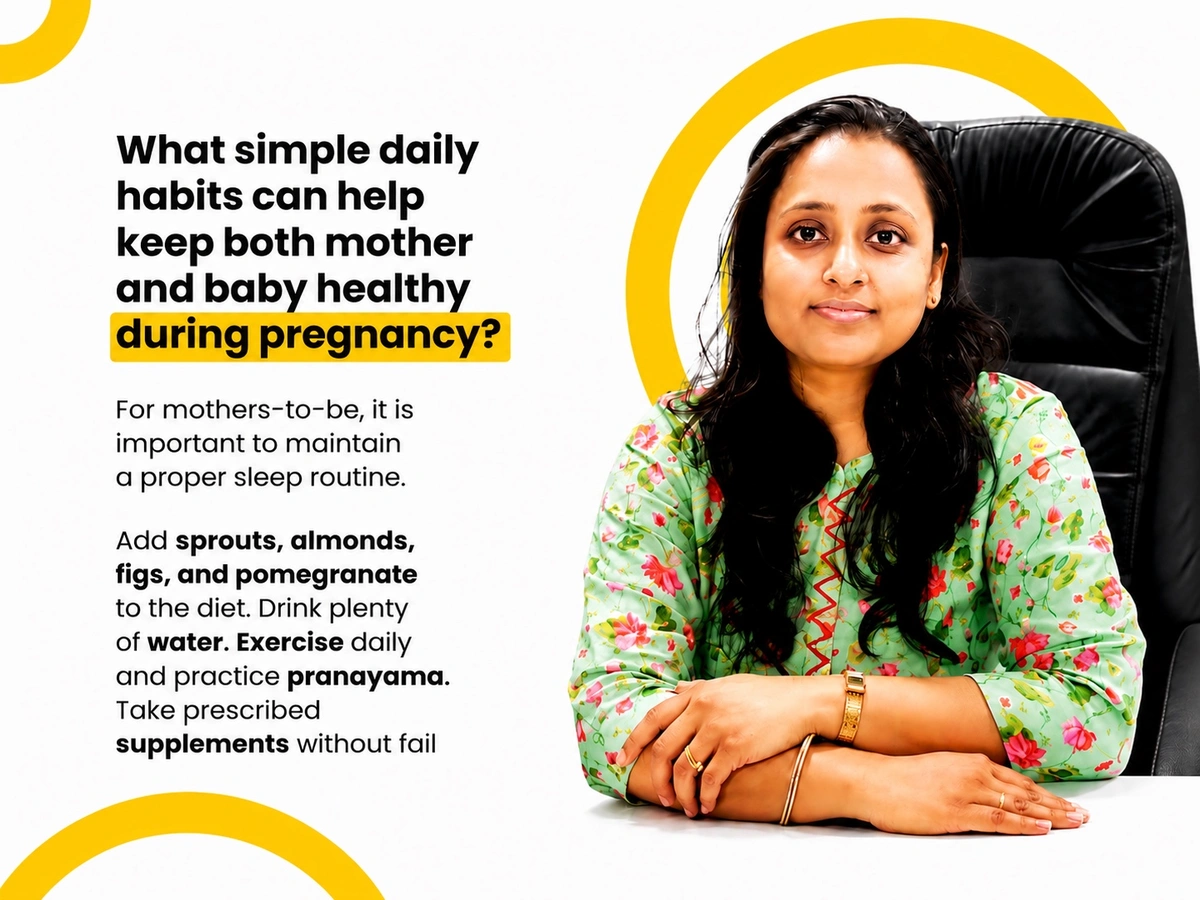
About the Author
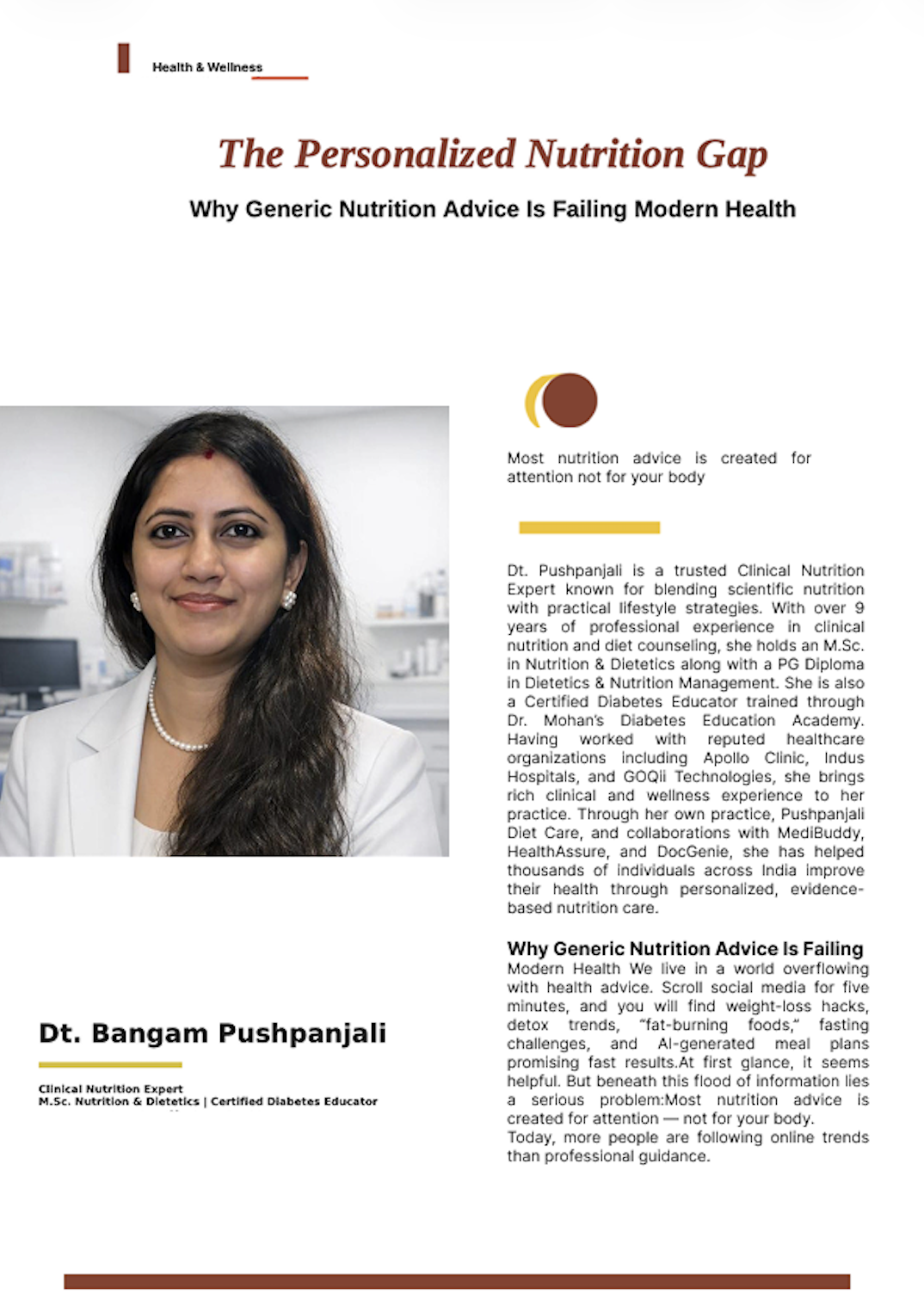
Dt. Bangam Pushpanjali is a trusted Clinical Nutrition Expert known for blending scientific nutrition with practical lifestyle strategies. With over nine years of experience in clinical nutrition and diet counseling, she holds an M.Sc. in Nutrition & Dietetics and a PG Diploma in Dietetics & Nutrition Management. She is also a Certified Diabetes Educator trained through Dr. Mohan’s Diabetes Education Academy.
Having worked with Apollo Clinic, Indus Hospitals, and GOQii Technologies, she brings extensive clinical and wellness expertise to her practice. Through Pushpanjali Diet Care and collaborations with MediBuddy, HealthAssure, and DocGenie, she has helped thousands of individuals across India achieve healthier lives through evidence-based nutrition care.
Why Generic Nutrition Advice Is Failing Modern Health
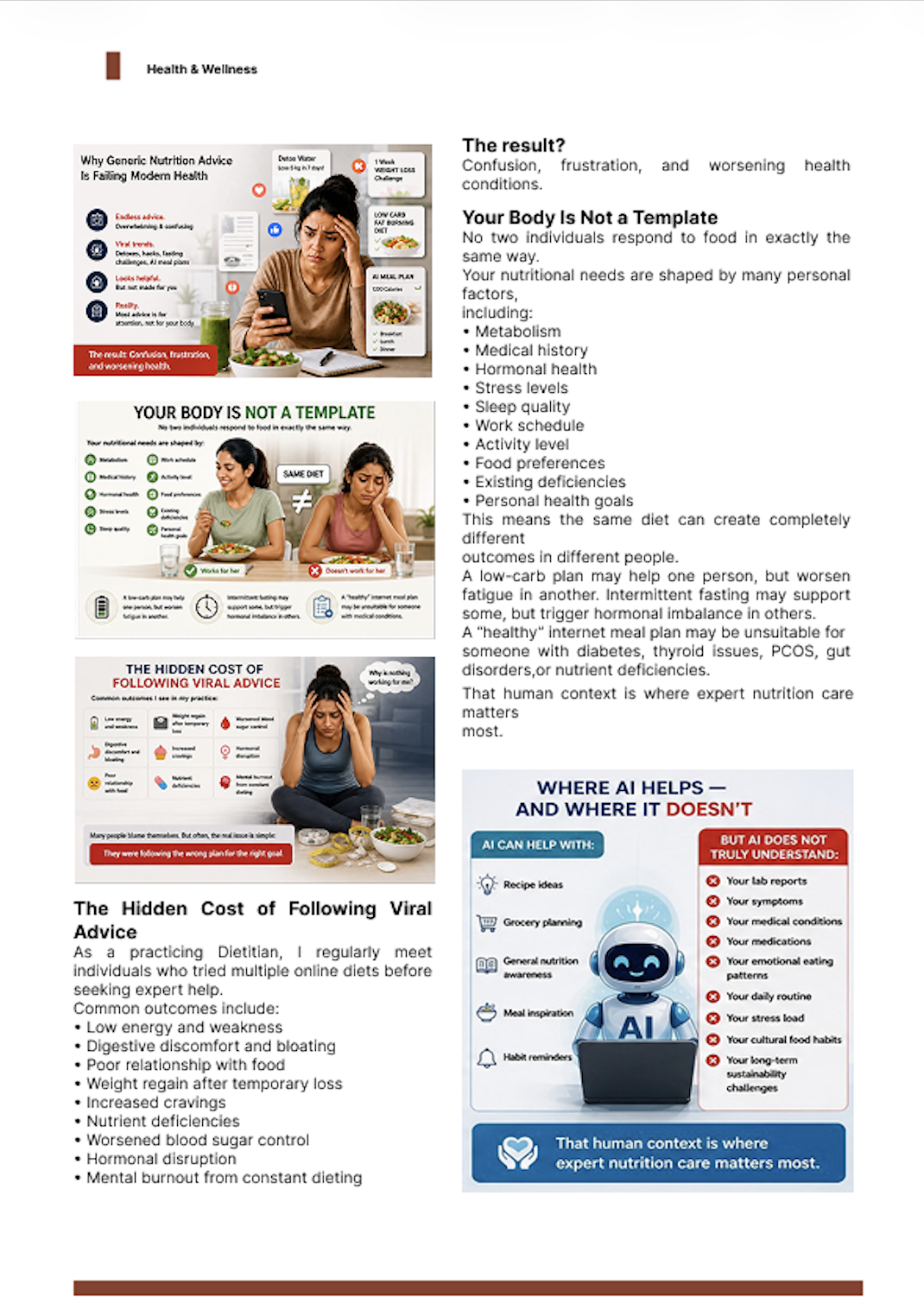
We live in a world overflowing with health advice. Social media platforms are filled with weight-loss hacks, detox trends, fasting challenges, and AI-generated meal plans promising quick results.
While this abundance of information appears helpful, much of today’s nutrition advice is created to capture attention rather than improve individual health outcomes.
More people are now relying on online trends than professional guidance. They adopt influencer diets, use AI-generated meal plans, and follow random internet suggestions without understanding whether these approaches align with their unique health needs.
The result is often confusion, frustration, and worsening health conditions.
Your Body Is Not a Template
No two individuals respond to food in exactly the same way.
Nutritional needs are influenced by:
- Metabolism
- Medical history
- Hormonal health
- Stress levels
- Sleep quality
- Work schedule
- Physical activity
- Food preferences
- Existing nutrient deficiencies
- Personal health goals
As a result, the same diet can produce dramatically different outcomes for different individuals.
A low-carbohydrate diet may benefit one person while causing fatigue in another. Intermittent fasting may improve health for some but contribute to hormonal imbalances in others. Even seemingly healthy meal plans may not be suitable for individuals managing diabetes, thyroid disorders, PCOS, digestive conditions, or nutrient deficiencies.
The Hidden Cost of Following Viral Advice
Many individuals turn to professional nutrition support only after trying multiple online diets that fail to deliver lasting results.
Common consequences include:
- Low energy and weakness
- Digestive discomfort and bloating
- Poor relationship with food
- Weight regain after temporary loss
- Increased cravings
- Nutrient deficiencies
- Poor blood sugar management
- Hormonal disruption
- Mental burnout from constant dieting
Many people blame themselves for these outcomes. However, the real issue is often that they were following the wrong plan for the right goal.
Where AI Helps — And Where It Doesn’t
Artificial Intelligence can serve as a useful support tool in nutrition and wellness.
AI can assist with:
- Recipe recommendations
- Grocery planning
- Nutrition awareness
- Meal inspiration
- Habit reminders
However, AI cannot fully understand:
- Laboratory reports
- Medical conditions
- Symptoms
- Medication interactions
- Emotional eating patterns
- Daily routines
- Stress levels
- Cultural food habits
- Long-term sustainability challenges
This human context is precisely where professional nutrition expertise remains invaluable.
Real Results Come From Personalization
Sustainable health transformation does not come from shortcuts or trending diets.
It comes from nutrition plans tailored to real-life circumstances, including:
- Foods individuals genuinely enjoy
- Consistent and realistic routines
- Medical requirements
- Family and work commitments
- Gradual behavior changes that last
The best diet is not the most popular one.
The best diet is the one designed specifically for you.
Before You Follow the Next Trend, Ask Yourself
Is this advice simply viral, or is it genuinely right for my body?
When it comes to health and nutrition, popularity means very little.
Precision means everything.