









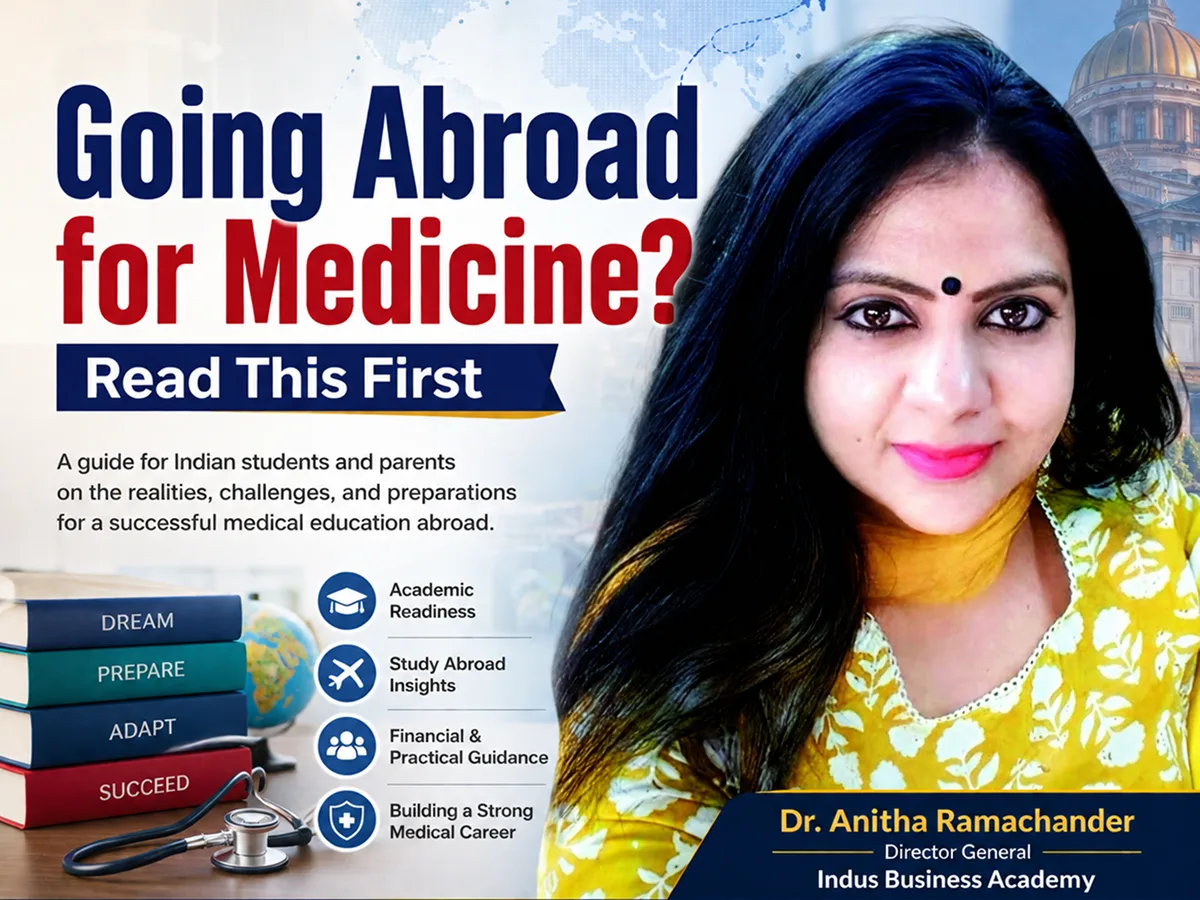

Going Abroad for Medicine? Read This First
Introduction
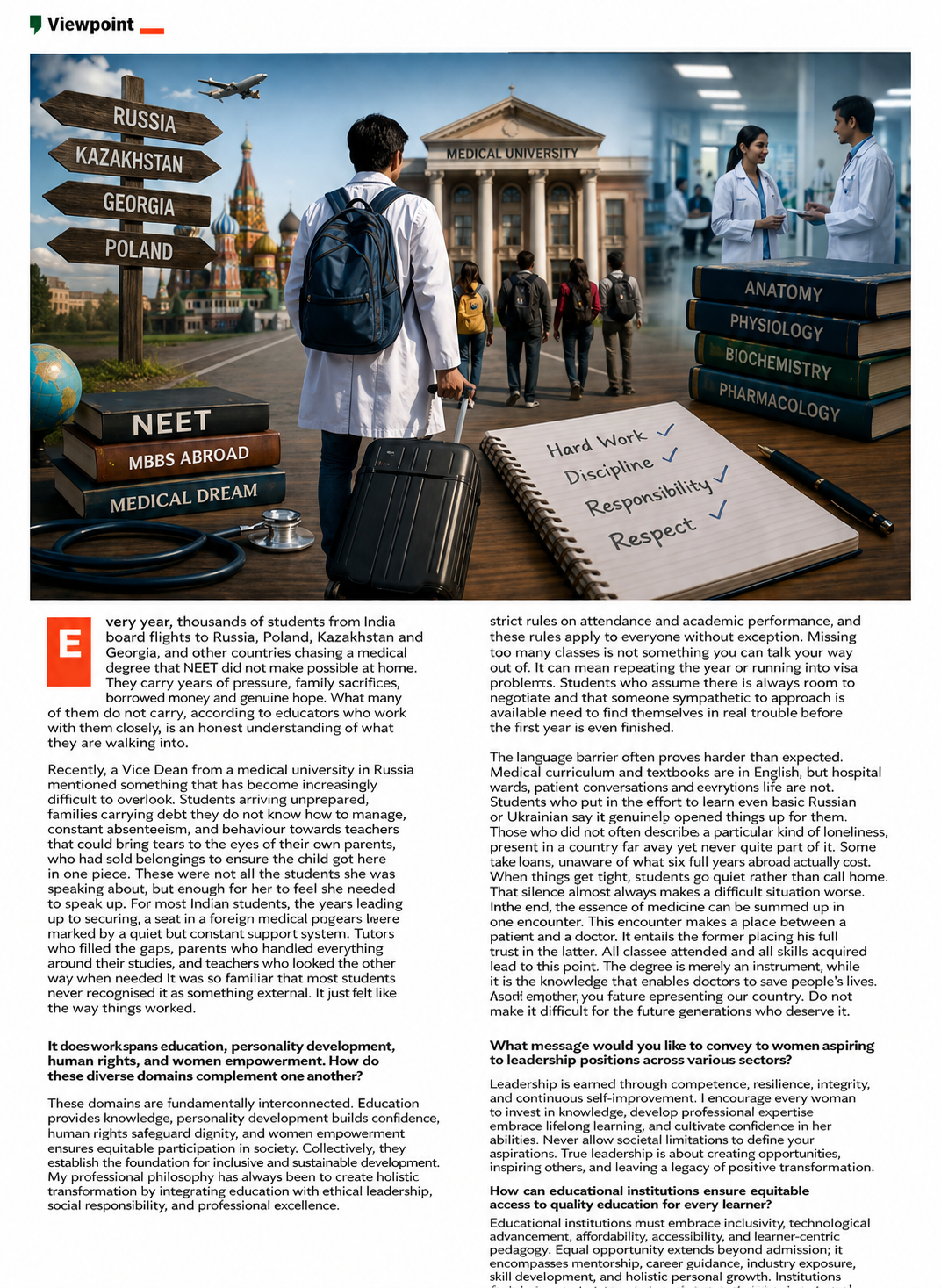
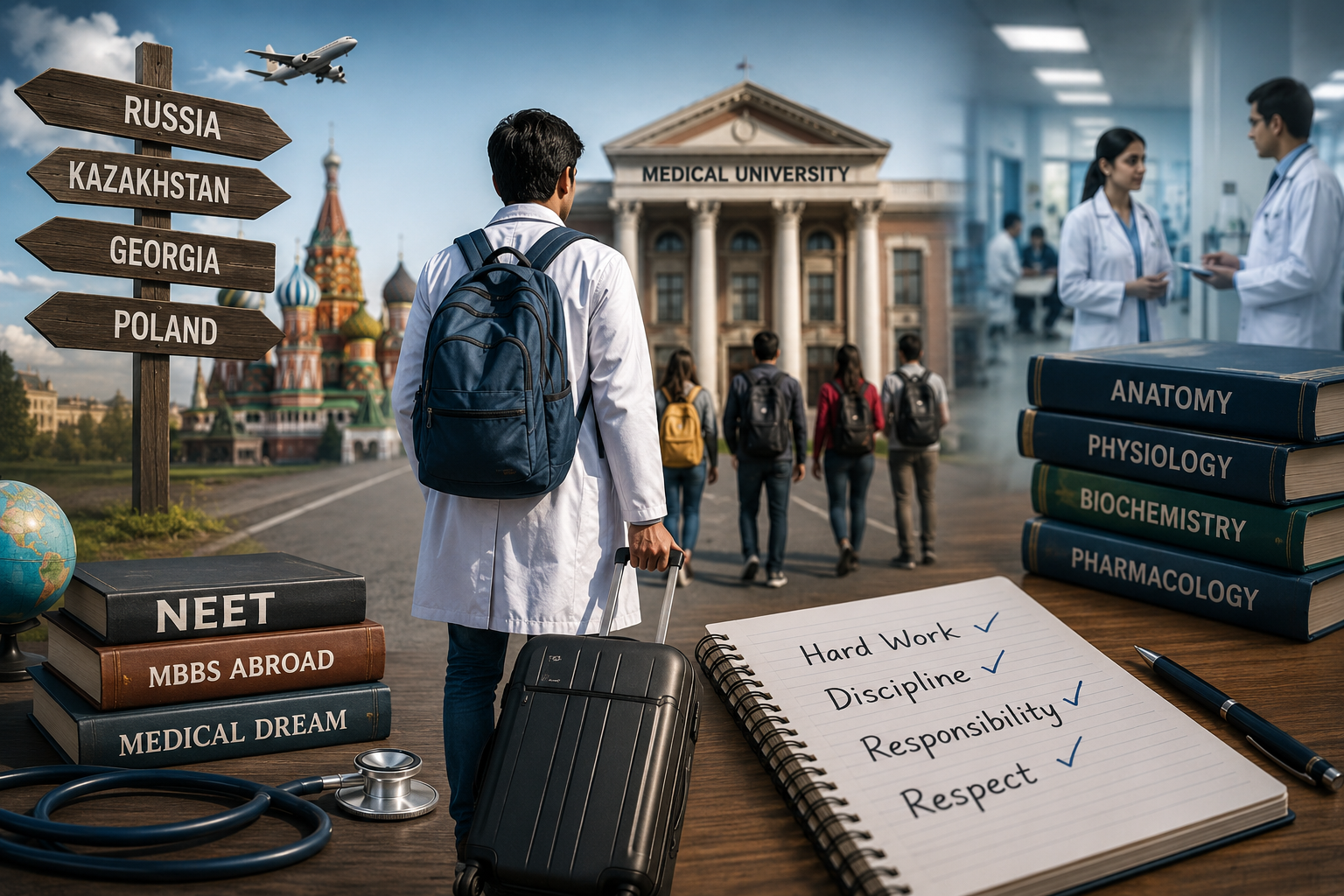
Every year, thousands of students from India board flights to Russia, Poland, Kazakhstan, Georgia, and other countries in pursuit of a medical degree that they could not secure at home through NEET. Behind every journey are years of dedication, family sacrifices, financial commitments, and the hope of becoming a doctor. However, many students begin this journey without fully understanding the academic, cultural, financial, and personal challenges that await them abroad.
This article highlights the realities of studying medicine overseas and emphasizes the importance of preparation, discipline, and responsibility for aspiring medical professionals.
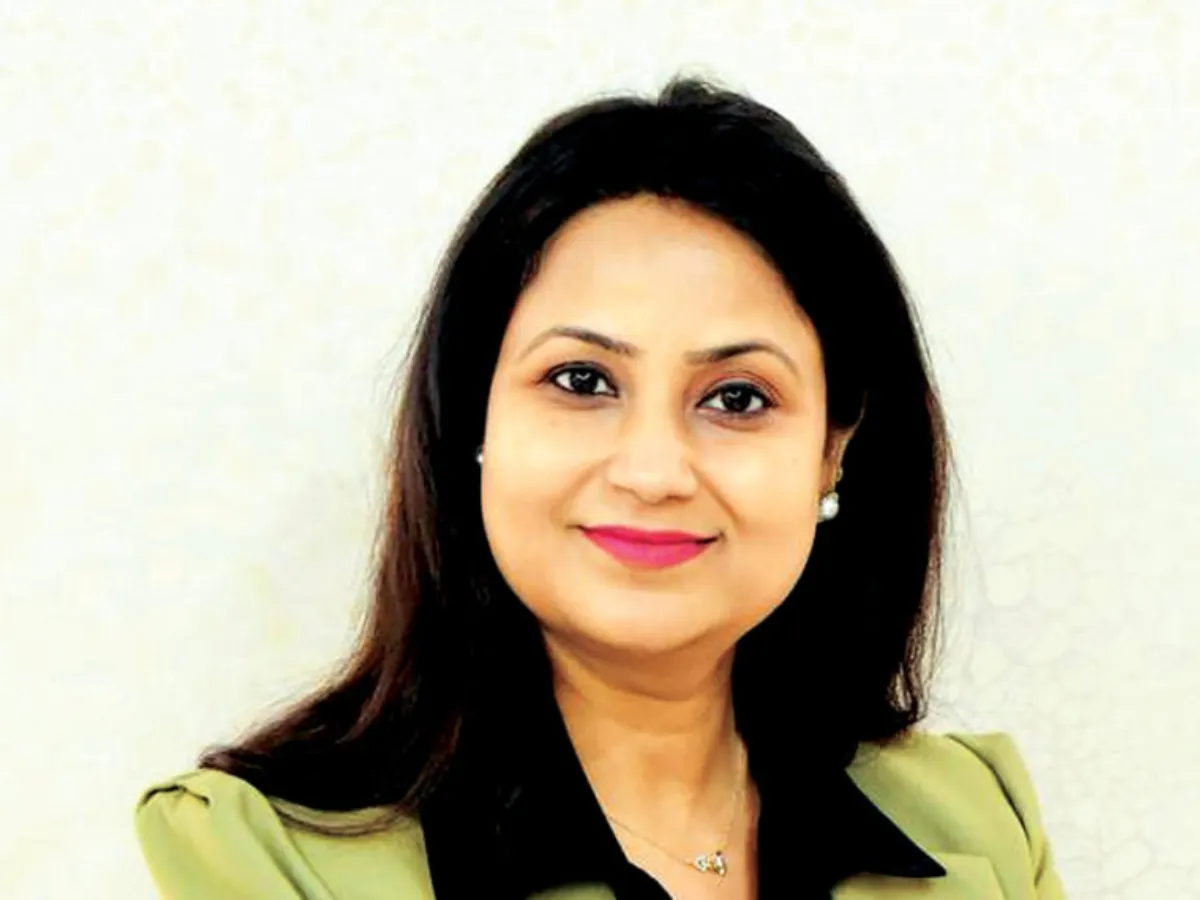
About Dr. Anitha Ramachander
Dr. Anitha Ramachander is the Director General of Indus Business Academy (IBA), Bengaluru. A distinguished academic leader, educator, researcher, author, and mentor, she brings over 30 years of experience in higher education, academic leadership, research, and institutional development.
Over the course of her career, she has held several senior leadership positions, including Pro Vice Chancellor, Chief Academic Officer, Academic Director, Dean, Director, Principal, and Professor at reputed institutions in India and abroad.
Her areas of expertise include:
- Marketing
- Brand Management
- Consumer Behaviour
- Human Resource Management
- Digital Marketing
- Leadership Development
- Higher Education Management
- Financial Literacy
- Artificial Intelligence in Education
She has played a pivotal role in developing innovative academic programmes, strengthening quality assurance systems, fostering industry-academia partnerships, and promoting international collaborations.
A prolific writer and researcher, Dr. Anitha has authored and co-authored books, book chapters, and numerous research publications. Since 2004, she has also been a regular newspaper columnist writing on education, leadership, workplace culture, ethics, and personal development.
Her contributions to education have been recognised through several prestigious awards, including:
- Paul Harris Fellowship (Rotary International, USA)
- International Achievers’ Award for Education Excellence
- Outstanding Women Achievers’ Award
- Outstanding Educator Award
- Woman Pro Vice Chancellor of the Year (2026)
Passionate about transforming higher education, Dr. Anitha is committed to empowering students with knowledge, leadership, ethical values, and a global outlook. Her vision is to help every learner realise their potential and prepare them to lead with purpose in an ever-evolving world.
The Dream of Studying Medicine Abroad
Every year, thousands of students from India board flights to Russia, Poland, Kazakhstan, Georgia, and other countries, chasing a medical degree that NEET did not make possible at home. They carry years of pressure, family sacrifices, borrowed money, and genuine hope. What many of them do not carry, according to educators who work with them closely, is an honest understanding of what they are walking into.
The Reality Students Often Overlook
Recently, a Vice Dean from a medical university in Russia mentioned something that has become increasingly difficult to overlook. Students arriving unprepared, families carrying debts they do not know how to manage, constant absenteeism, and behaviour towards teachers that could bring tears to the eyes of their own parents, who had sold belongings to ensure the child got there safely.
These observations do not apply to every student, but they are significant enough to highlight the importance of being prepared before pursuing medical education abroad.
The Support System Changes Overseas
For most Indian students, the years leading up to securing a seat in a foreign medical programme were supported by tutors who filled learning gaps, parents who managed everything around their studies, and teachers who often provided flexibility when required.
This support system feels so natural that many students never recognise it as something external. However, once they move abroad, they discover that academic life operates very differently.
Understanding Academic Discipline Abroad
Foreign universities follow strict rules regarding attendance and academic performance, and these regulations apply equally to every student.
Missing too many classes is not something that can be negotiated. It may result in repeating an academic year or even facing visa-related complications. Students who assume there will always be flexibility often find themselves facing serious academic difficulties before completing their first year.
Language Is More Important Than You Think
The language barrier is often more challenging than students expect.
Although lectures may be conducted in English, hospital wards, patient interactions, and daily life are generally not. Students who make the effort to learn even basic Russian or Ukrainian often find it much easier to adapt to their surroundings.
Those who do not learn the local language frequently describe a sense of loneliness despite living in the country for several years.
Financial Responsibility Matters
Many students take educational loans without fully understanding the actual cost of spending six years abroad.
When financial pressures increase, students often choose to remain silent rather than discuss their situation with their families. Unfortunately, this silence usually makes an already difficult situation even more challenging.
Medicine Is More Than Just a Degree
Ultimately, the essence of medicine can be understood through the relationship between a patient and a doctor.
A patient places complete trust in the doctor. Every lecture attended, every practical session completed, and every skill acquired leads to this responsibility. The degree itself is only an instrument; it is knowledge that enables doctors to save lives.
Students should also remember that while studying abroad, they represent their country. Their conduct and professionalism leave a lasting impression and influence opportunities for future generations who aspire to follow the same path.