





























Choosing Gynecology – A Destiny-Driven Path
“Honestly, my dad inspired me to become a doctor. Interestingly, gynecology was not my first choice. But somehow, due to certain circumstances, I landed into this field. Once I was in it, I fell in love with it.”
— Dr. Moonmoon Agrawal
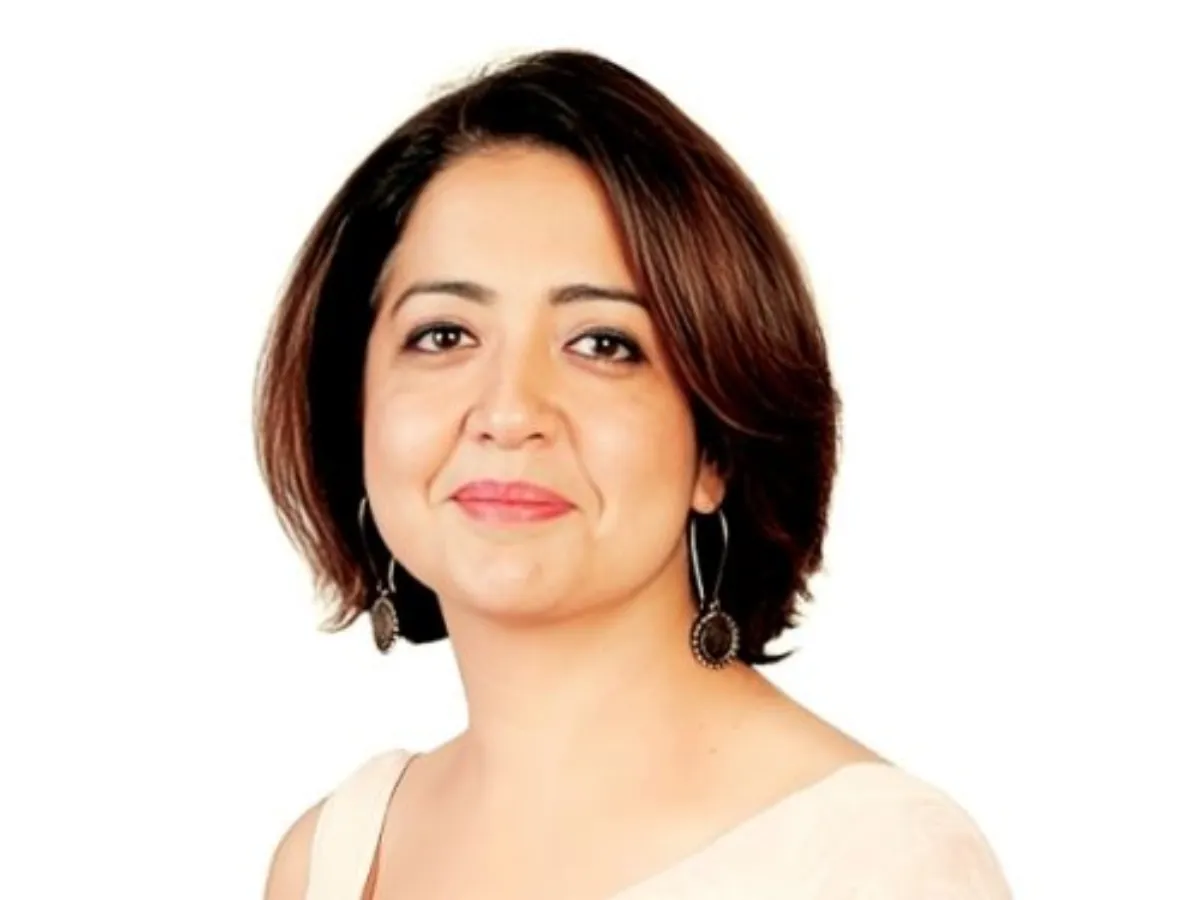
Dr. Moonmoon Agrawal
- MBBS, MS (Obst & Gynae)
- Fellowship in Reproductive Medicine (FRM)
- Obstetrician & IVF Specialist
- Post Graduation – SCB Medical College, Cuttack
- MBBS from GMC Nagpur
- Practicing as an Obstetrician & Gynaecologist
- Received Best Paper Award in National IMS & SAFOG Conference & Yuva Fogsi
- Director at Medisure Hospital, Raipur
- Received Health Pride Award from CM (CG)
- Experience: 13+ Years
-1.webp)
Health Impact
by Rashmeet Kaur Chawla
In conversation with Rashmeet Kaur Chawla she shares about her inspiring journey into medical field.
What inspired you to choose the field of gynecology and women’s health?
“My dad inspired me to become a doctor,” but somehow, I landed in this field. Once I was in it, I fell in love with it. I truly believe, “If something happens to your wish it’s good but if something happens according to God’s wish it’s even better.”
Looking back, what challenges did you face in your journey as a medical student and how did you overcome them?
Being a medical student it is a challenge in itself. It requires long hours of study. During my time, there were fewer distractions compared to this generation. Since I enjoyed what I was doing, I didn’t see the challenges as hurdles but as part of the journey.
One memory still stands is the day I first entered a government hospital.
“There was a surgery going on without anesthesia. The patient was screaming, and I fainted on hearing that. I had a fear of seeing people in pain.”
-2.webp)
Why do so many women get anemia during pregnancy?
In India, women’s health often doesn’t get the attention it deserves.
“Anemia during pregnancy is mostly due to iron deficiency, often caused by nutritional gaps. Apart from that, conditions like thalassemia or sickle cell trait are also common. Unfortunately, due to lack of awareness, many women only discover these issues during pregnancy.”
Regular check-ups for hemoglobin and hemoglobin electrophoresis are very important. These can detect genetic blood disorders early and prevent complications later.
What are the early signs that a pregnant woman might have low hemoglobin?
The signs are weakness, body aches, and sometimes even vision problems. Many women with iron deficiency also develop cravings to eat chalk, dust, or sand — a condition known as pica. Fatigue and low energy are the most common complaints.
What foods or home remedies can help improve iron levels naturally?
Nutrition can make a huge difference.
“Carrot, spinach, pomegranate, dates, and drumsticks are excellent for improving iron levels. These should be part of our daily diet.”
When should a woman start taking iron supplements — before or after pregnancy starts?
If a woman is planning pregnancy and her hemoglobin is low, she should first take iron tablets to build her levels and then plan for pregnancy. If the levels are normal, we usually start with folic acid during planning, and iron tablets after 13–14 weeks of pregnancy.
Can low hemoglobin affect the baby? How serious can it get if not treated?
Low hemoglobin doesn’t just affect the mother.
“It can reduce blood supply to the baby, leading to low iron reserves in the child. This can cause intrauterine growth restriction (IUGR), higher chances of jaundice, and even impact brain development—affecting the baby’s mental health.”
-3.webp)
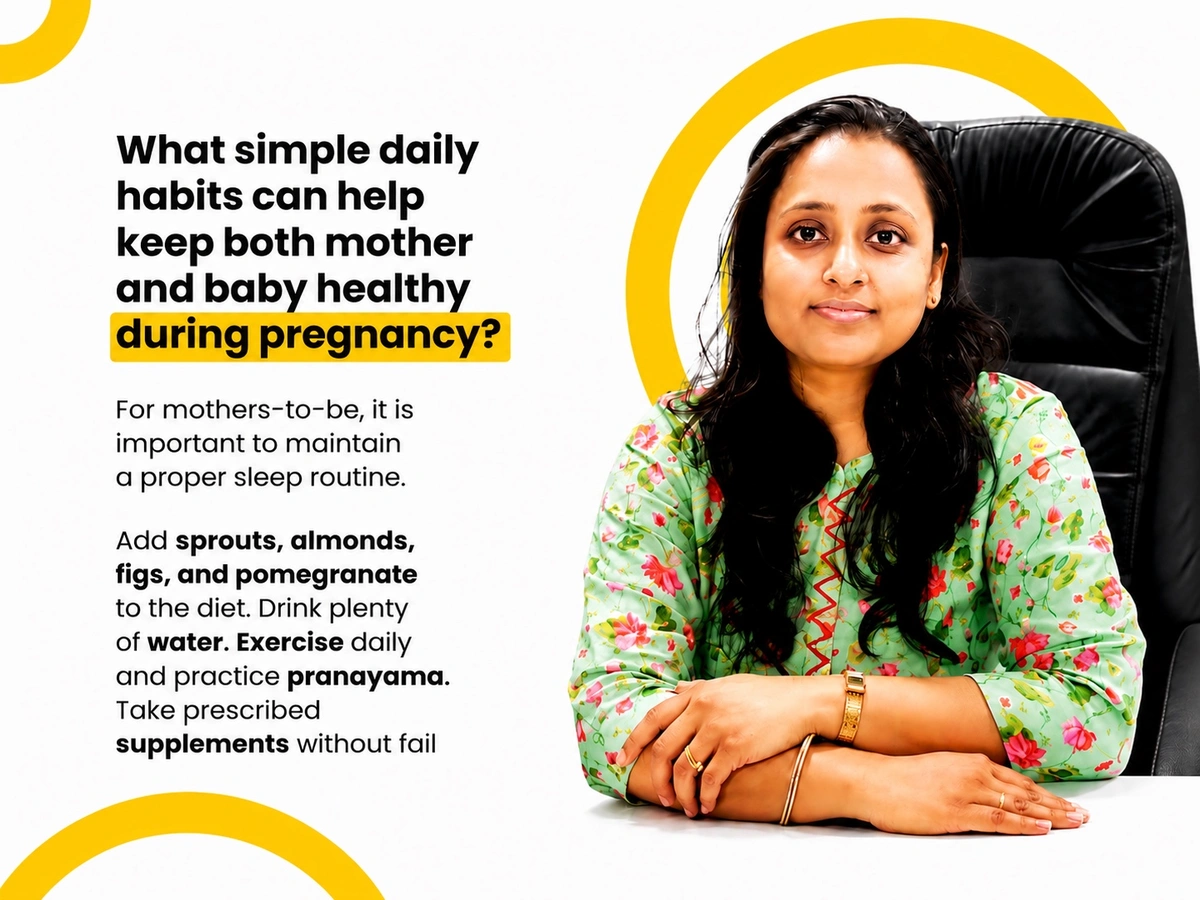
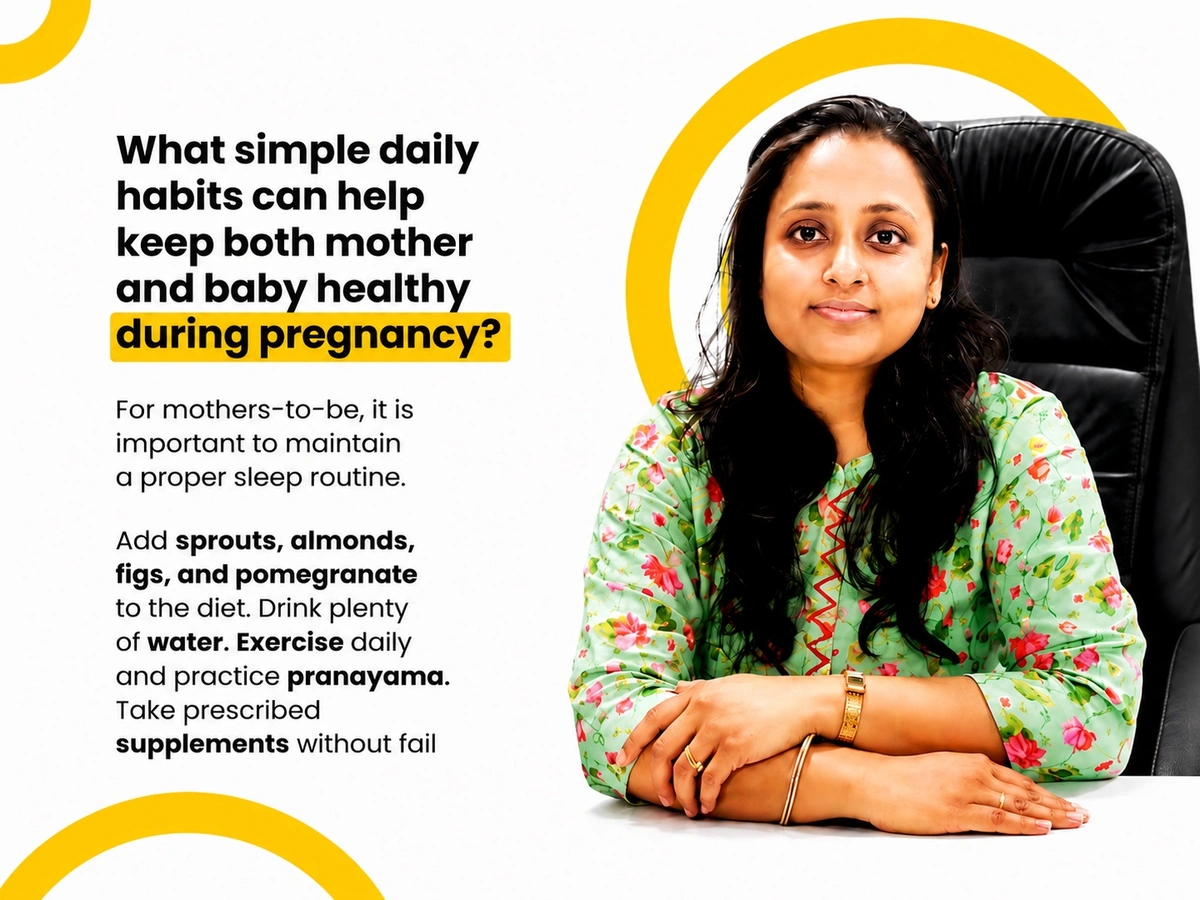
What simple daily habits can help keep both mother and baby healthy during pregnancy?
For mothers-to-be, it is important to maintain a proper sleep routine.
- Add sprouts, almonds, figs, and pomegranate to the diet.
- Drink plenty of water.
- Exercise daily and practice pranayama.
- Take prescribed supplements without fail.
What’s one common myth about pregnancy that you often correct your patients on?
One common myth I often hear is that a pregnant woman should rest throughout pregnancy and avoid travel or work.
That’s not true.
If a woman has conceived normally without complications, she can enjoy her pregnancy and follow her regular routine. Of course, if complications exist, it is advisable to take rest and follow your doctor’s advice.
How important is the role of family support – especially a partner while building your own career? Please shed some light through your own journey?
In the early years, it was my parents who supported me wherever I am today; it is because of my parents and then comes my partner.
Being a doctor sometimes your routine is completely disturbed. Being blessed by an understanding partner who supports me and in fact I never had any conflict related to my work life.
My kids are even more closer to their dad than me and I really feel very blessed for having such a supportive partner.