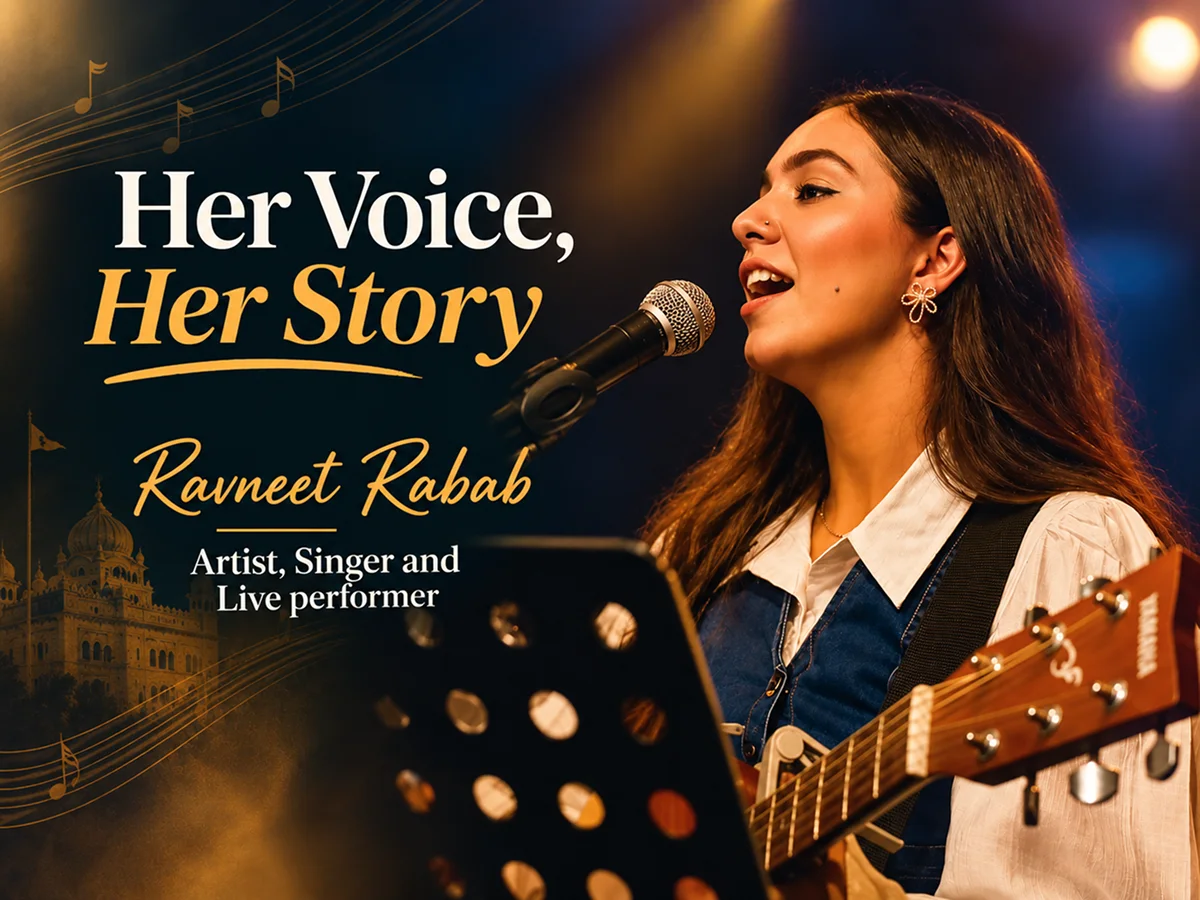




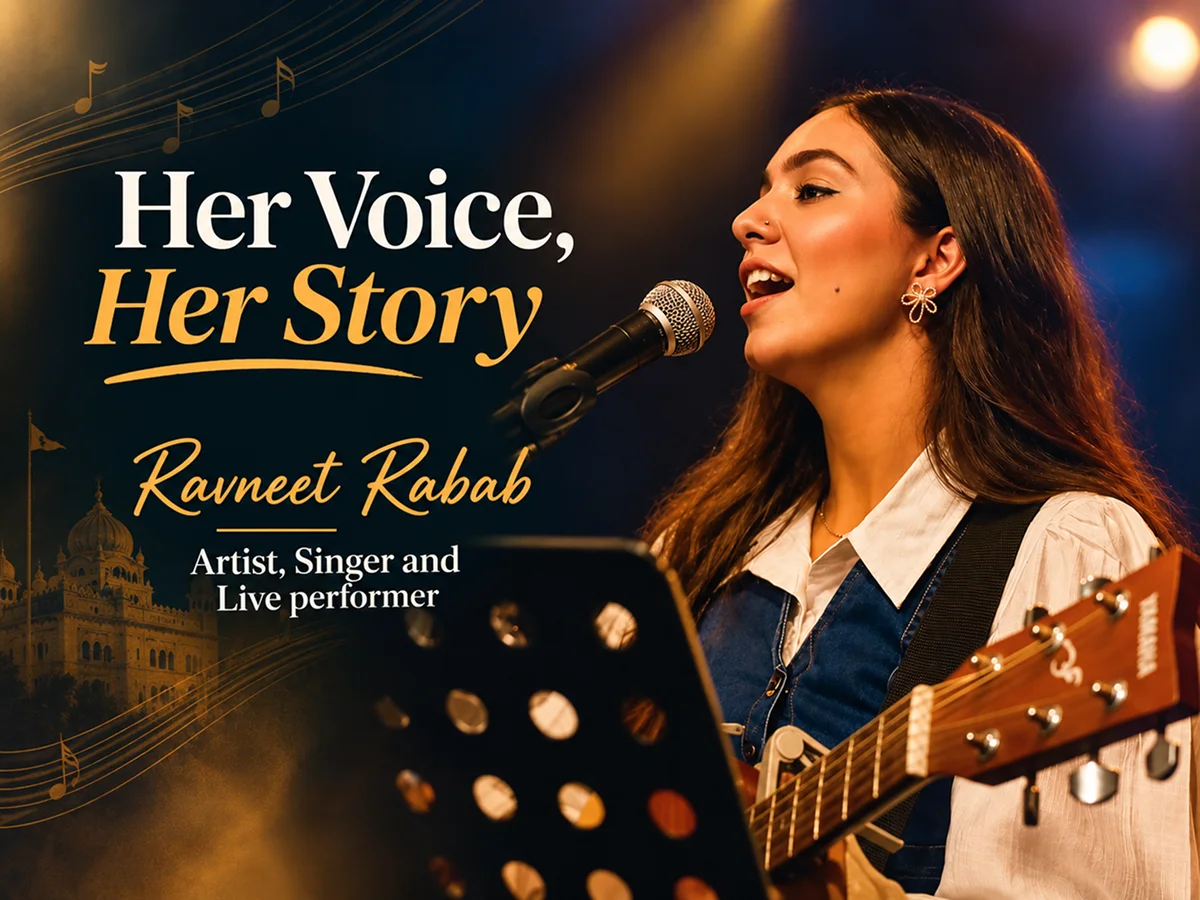
Her Voice, Her Story
From Gurbani and guitar to 200K+ YouTube followers, Rabab is carving her own path by blending psychology, Punjabi heritage and contemporary music with authenticity.
Ravneet Rabab
Artist, Singer and Live performer
Ravneet Rabab is an independent artist, singer and live performer with a Master’s degree in Clinical Psychology. She began her musical journey with singing during her school years along with Gurbani Kirtan, which later evolved into exploring multiple instruments, including guitar, piano and ukulele, alongside building an audience through digital platforms. Today, she has over 200,000 YouTube subscribers and 100,000+ Instagram followers, with a repertoire spanning original music, Bollywood, Punjabi folk and Gurbani. Her rendition of the Mool Mantar has also received a warm response from listeners on YouTube.
Her artist name, ‘Rabab’ is inspired by the instrument closely associated with the musical heritage of Guru Nanak Dev Ji and Bhai Mardana Ji. Drawn to the instrument’s distinctive sound, she chose ‘Rabab’ as her stage name, giving it a personal connection to both her musical identity and roots.
She has collaborated with brands including Yamaha, Procraft and Sony, while establishing herself as an independent artist and live performer. She continues to expand her musical repertoire with original releases, including her latest track, ‘Sajjna Ve’ which was filmed against the picturesque landscapes of Kashmir. She is steadily expanding her journey as an independent artist, balancing live performances with original music and creative collaborations
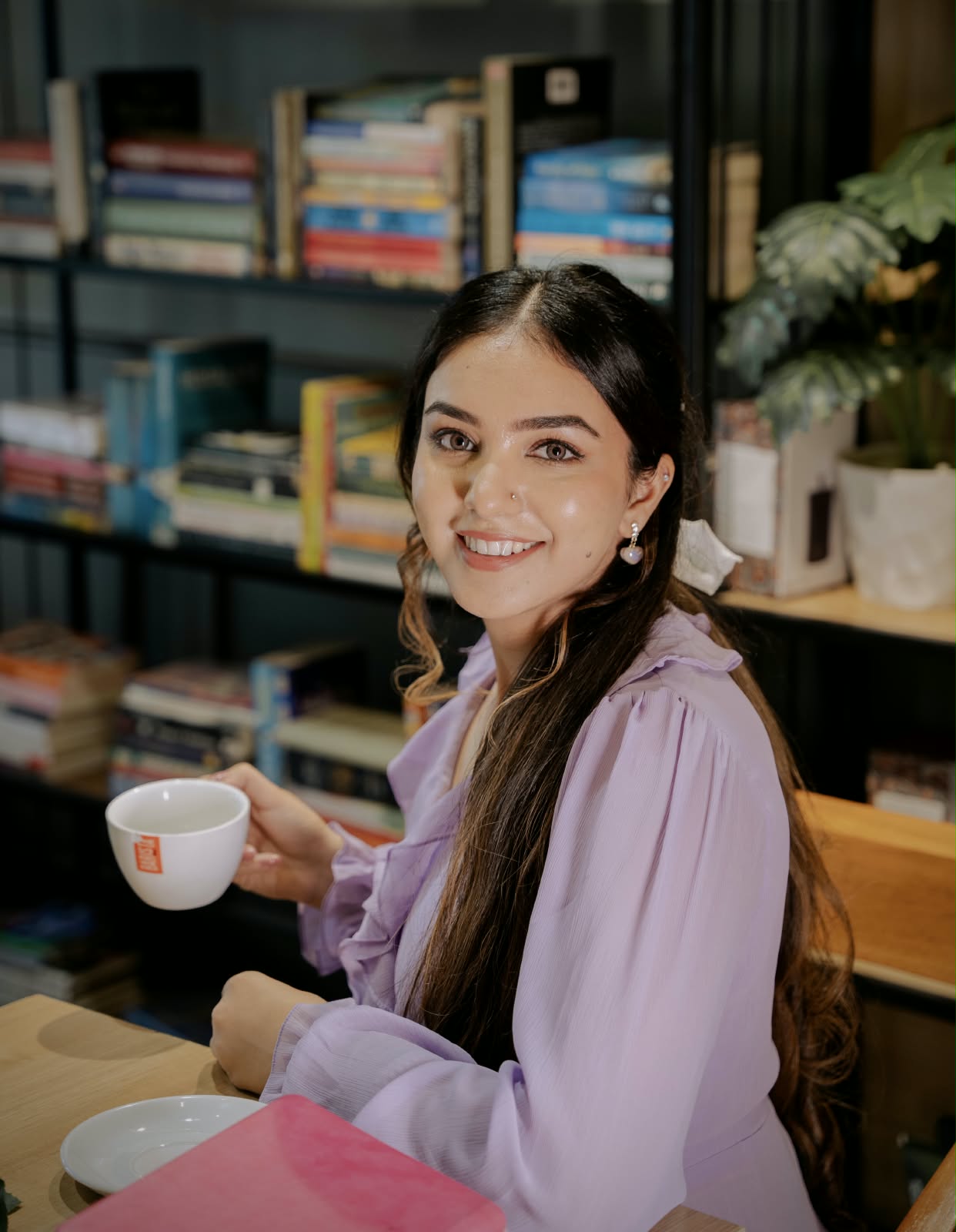
You started with school singing and Gurbani Kirtan. How did those early experiences shape the way you approach music today?
At that age, I was simply enjoying singing, without thinking about where it might eventually take me.
As those early experiences gave me the foundation, but they also made me curious to learn more. I remember trying to pick out the melody of every prayer or song on my keyboard, that I heard, and my mother noticed that instinct in me. She was also the one who introduced me to Gurbani Kirtan and encouraged me to learn it.
She found me a teacher to learn music and always encouraged me to keep learning.
She would even take me to my guitar classes on her Activa during the cold winter months and patiently wait for me outside. I may not have understood the significance of those little things back then, but today, I realise how much they meant. My mother had always wanted to explore theatre and music herself, as long as I can remember. In some ways, I feel she found a way to live a part of that dream through me
‘Rabab’ is deeply tied to Guru Nanak Dev Ji and Bhai Mardana Ji’s musical heritage. What drew you to that instrument and that name, and how does it influence your identity as an artist?
I chose ‘Rabab’ as my stage name because I’ve always loved the sound of the instrument.
The name became even more meaningful to me because of its connection to Sikh musical heritage. It felt like something that naturally brought together my love for music and my roots.
I actually have a Rabab at home, and I plan to learn to play it too. So the name is not just an identity I chose as an artist, it carries a part of where I come from and what music means to me.
You have a Master’s in Clinical Psychology. In what ways does understanding the human mind help you connect with audiences through music and live performance?
I think my background in psychology has definitely shaped the way I understand people around me and their emotions. I believe some emotions go beyond what we can explain or put into words, and music has a beautiful way of reaching those places, And I think that’s what makes music so powerful.
When I’m on stage, I naturally pick up on the energy of the audience and how people are responding. Sometimes it’s a small reaction, someone singing along, or the way they connect with a particular song that tells me where to take the performance next. Those moments help me make the performance feel more personal and spontaneous.
I’d say psychology taught me to understand the mind, while music taught me to understand the heart.
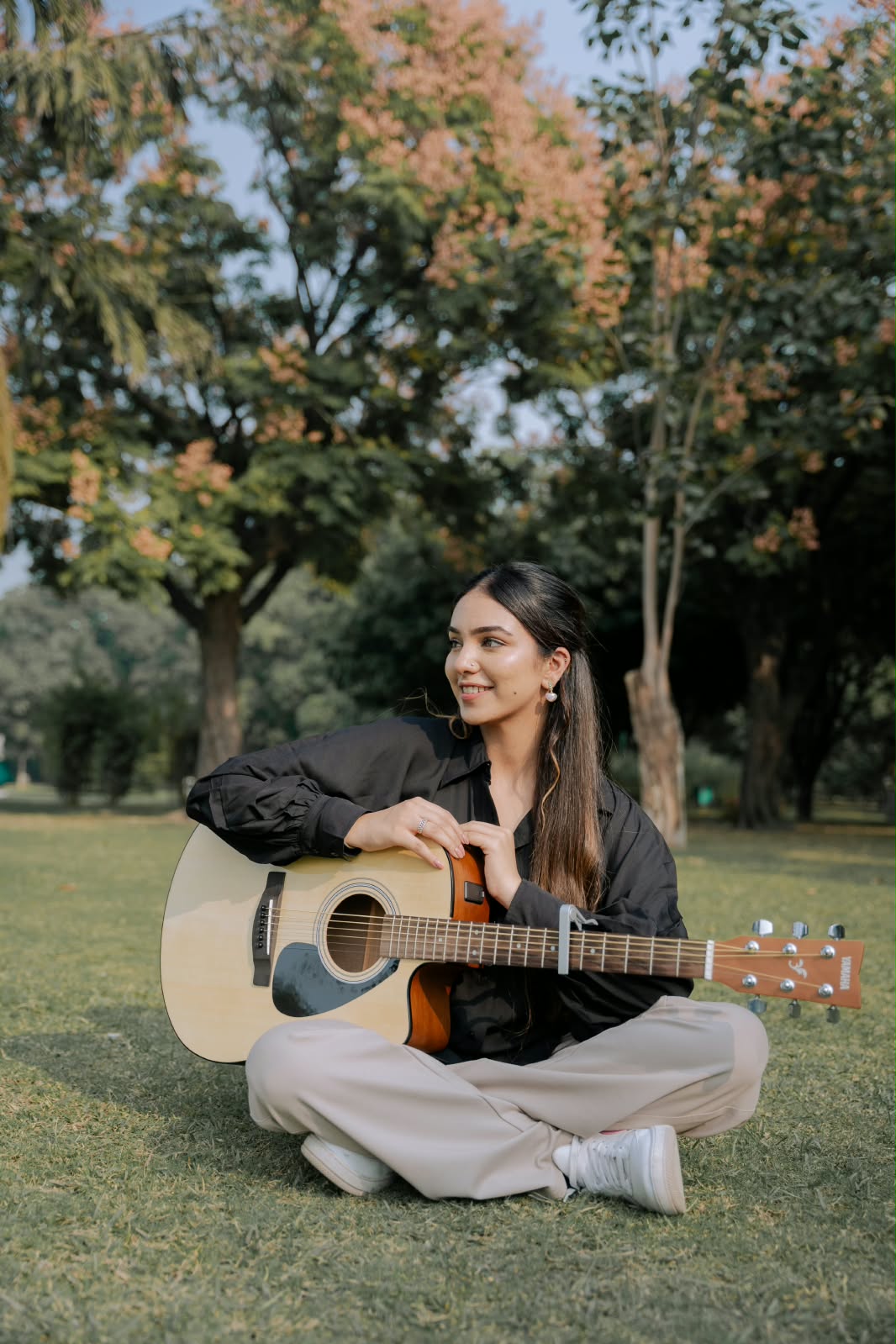
From voice to guitar, piano, and ukulele — what made you want to explore so many instruments, and which one feels most like “you” when you are creating?
Guitar will always be my first love because that’s where my journey with music really began. Over time, I became curious about other instruments and wanted to understand how each one could add something different to my music.
For me every instrument brings a different colour and character to a song, but guitar still feels the most natural to me. It’s the instrument I instinctively pick up when I want to create, experiment, or simply connect with music.
With 200K+ YouTube subscribers and 100K+ Instagram followers built independently, what was the biggest lesson you learned about growing as an artist online?
Honestly, I feel we cannot constantly try to please the algorithm, so the biggest lesson has been patience. When you’re building independently, everything takes a little longer because you’re figuring things out as you go.
I remember some of my videos that went viral were actually the ones I had put the least thought or effort into. Sometimes, when you’re not trying too hard to make everything perfect, people connect with it more because it feels real and relatable. Also over time I realised that consistency and authenticity matter much more. You shouldn’t lose your own identity trying to stay relevant. Finding your audience takes time, but when the right people find you, they connect with who you truly are.
Your rendition of the “Mool Mantar” received a lot of love. What was that process like for you, and how do you balance sacred music with contemporary genres in your repertoire?
The recording process of the Mool Mantar felt very natural to me because Gurbani has been a part of my life since childhood.
For me, Gurbani is not about trying to make something trendy. So this part of my music is something i do to give it back to the God who gave me this voice.
I value both for very different reasons.
My contemporary music is where I get to experiment and explore, while Gurbani keeps me grounded.
Your music spans originals, Bollywood, Punjabi folk, and Gurbani. How do you decide what to release next, and is there a genre you haven’t explored yet that you want to?
I won’t lie it’s a bit challenging deciding what to release next. I don’t really follow a fixed formula. Usually, a song stays with me for a while before I decide to release it. There are days when I have several ideas and don’t know which direction to take. I usually give them some time.
There are still so many sounds I want to explore. I’d love to experiment more with Sufi, folk-inspired sounds and even some completely different contemporary styles. I don’t want to limit myself too early. I’m still figuring out what all I can do as an artist.
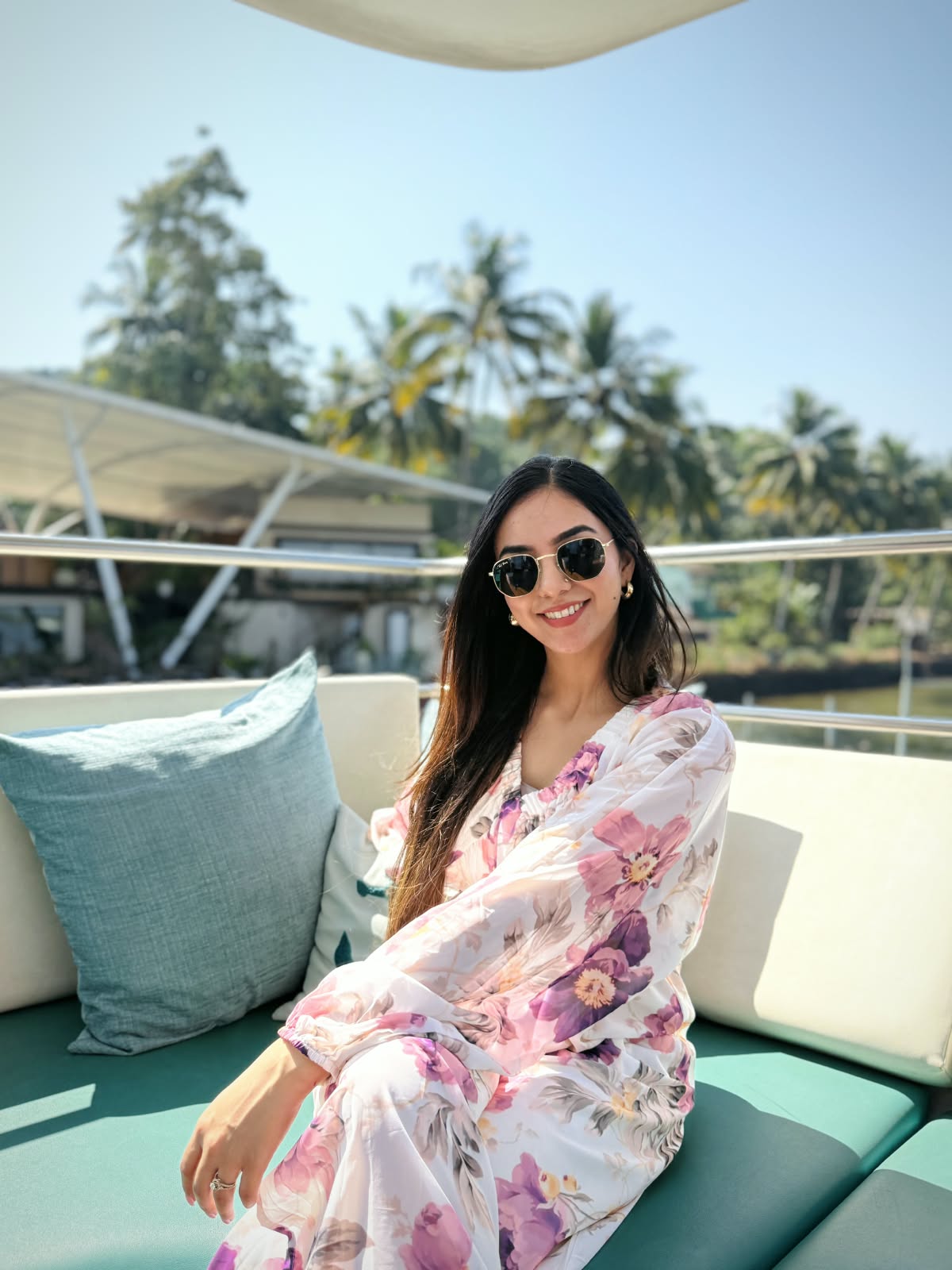
Your latest track ‘Sajjna Ve’ was filmed in Kashmir. What inspired the song, and what was it like shooting in those landscapes?
The idea behind Sajjna ve’ was to bridge a gap often seen in Punjabi music, where expressions of admiration & affection are usually told through a male voice.
It’s melodious, catchy, and carries a fresh perspective because, in Punjabi music, we rarely hear romantic songs from a woman’s point of view. Most love songs are written and sung from a male perspective, so I wanted to tell the story differently.
While creating the concept I wanted the video to leave the audience with a feeling of longing rather than a perfect ending. It’s a fictional video, but The ending of the video was inspired by the story of Adil, the pony guide from the Pahalgam attack who lost his life while trying to save a tourist. When the story came together, it made me reflect on how uncertain life is and how powerful kindness and humanity can be.
Beyond the beauty of Kashmir, it was the warmth of its people that left the biggest impression on me. Their kindness and hospitality made the entire experience even more special.
You have worked with Yamaha, Procraft, and Sony. How do those collaborations support your independent journey, and what do you look for in a brand partnership?
Brand collaborations have been an important part of my journey as an independent artist. Working with brands like Yamaha, Procraft and Sony has not only supported my work but also given me the opportunity to experience products that genuinely fit into my life as a musician.
I personally look for partnerships that feel natural to my music, my audience and if the brand aligns with my music, values and audience. If I genuinely believe in something, it honestly becomes much easier for me to talk about it.
For me, it’s important that the partnership feels authentic rather than something I’m doing just for the sake of a deal.
Balancing live shows, original releases, and content creation is a lot. What’s the hardest part of being independent, and what’s the most rewarding?
I think the hardest part is having to manage everything yourself. One day you’re completely immersed in music, and the next you’re thinking about content, marketing, bookings, releases and finances. It can be difficult to switch between the creative and business sides of being an artist.
The hardest part is that there’s no one else making the decisions for you. From choosing a song to release , to planning a show or deciding what content to put out, you’re constantly figuring things out on your own. Trends are useful to understand, but I don’t want them to dictate my music
But the most rewarding part is having complete ownership of your journey. I enjoy having the freedom to move between originals, Bollywood, Punjabi folk and Gurbani because each brings out a different side of me as an artist.
Looking ahead, how do you see your sound and journey evolving? Any dream projects or collaborations you would love to do?
I don’t want to put myself in a box and say, “This is my sound.” I want to keep trying things, work with different musicians, explore new genres and see what naturally comes out of me. I think the journey itself will define my sound.
If I’m talking about a dream collaboration, Coke Studio is definitely somewhere on that list . I really admire the way the platform brings together different sounds, cultures and artists, and I’d love to experience that creatively.
How much impact and power does music really have to influence society ?
I believe Music is incredibly powerful. It can comfort us, motivate us, bring back memories, and even help us heal. We’re constantly influenced by what we watch and listen to, whether it’s cinema, social media, or music.
As artists, we have a platform, and with that comes a responsibility to be mindful of what we put out in the world. We should be aware of narratives and values we put across those songs and our choice of words. I feel Punjab has a rich musical heritage of poetry, stories of love, Sufi music, folk music, I’d rather see those stories celebrated. An artist doesn’t have to preach through their music, but they should at least be conscious of what they are normalising or glorifying.
Ultimately, music may not single-handedly shape society, but it can certainly influence attitudes, start conversations, challenge stereotypes, and contribute to the culture we create.
_page-0001_result.webp)