





































There is a famous “Duryodhana dilemma” in the annals of the Mahabharata. At the time of going to war, it wasn’t that Duryodhana was a naïve person who could not differentiate between righteous and unethical behaviour.
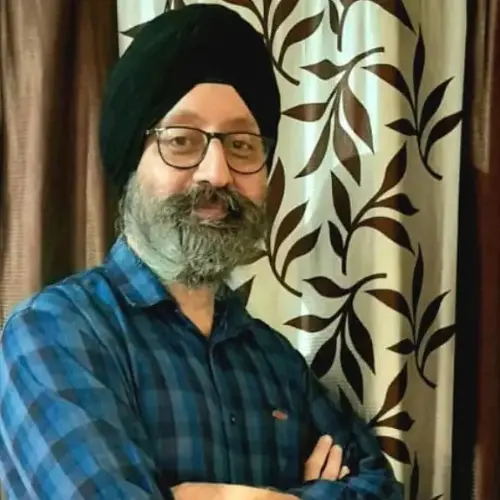
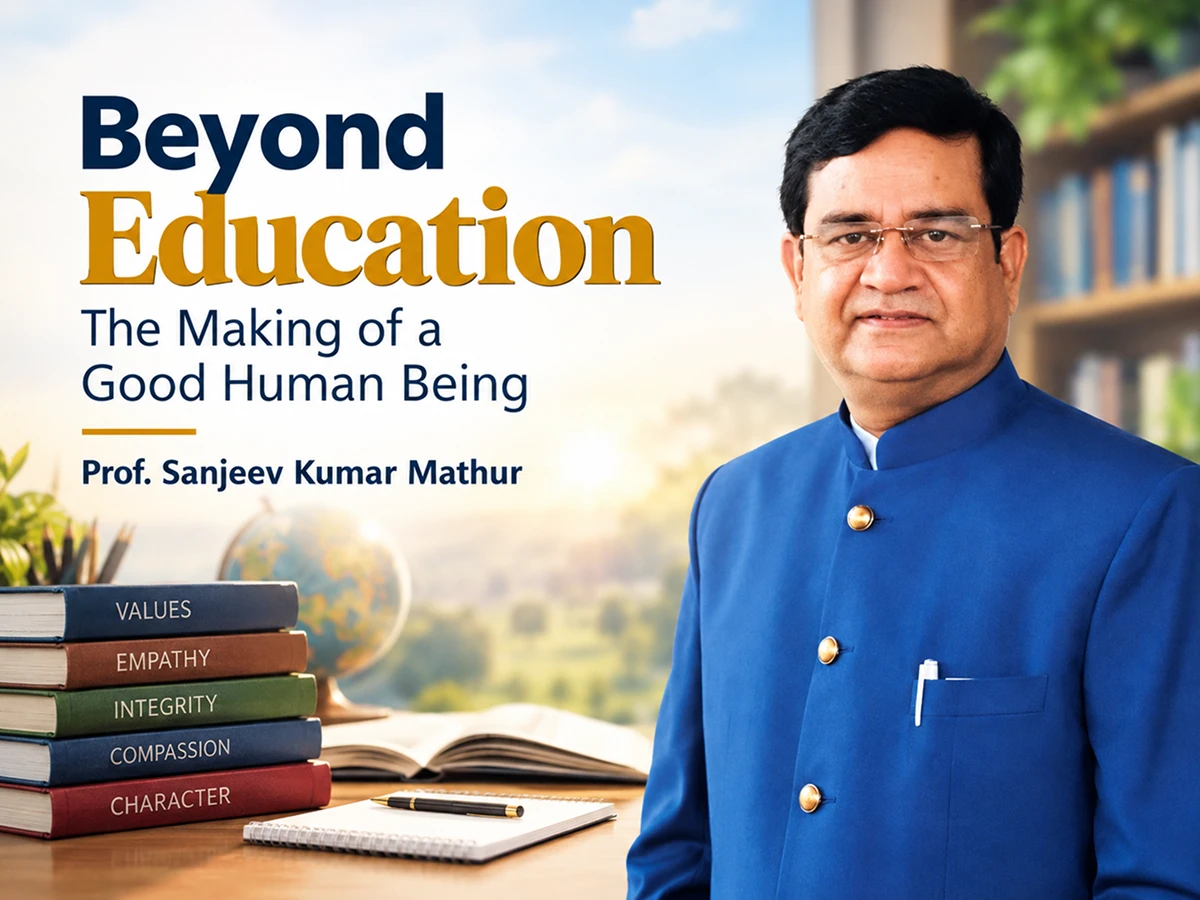
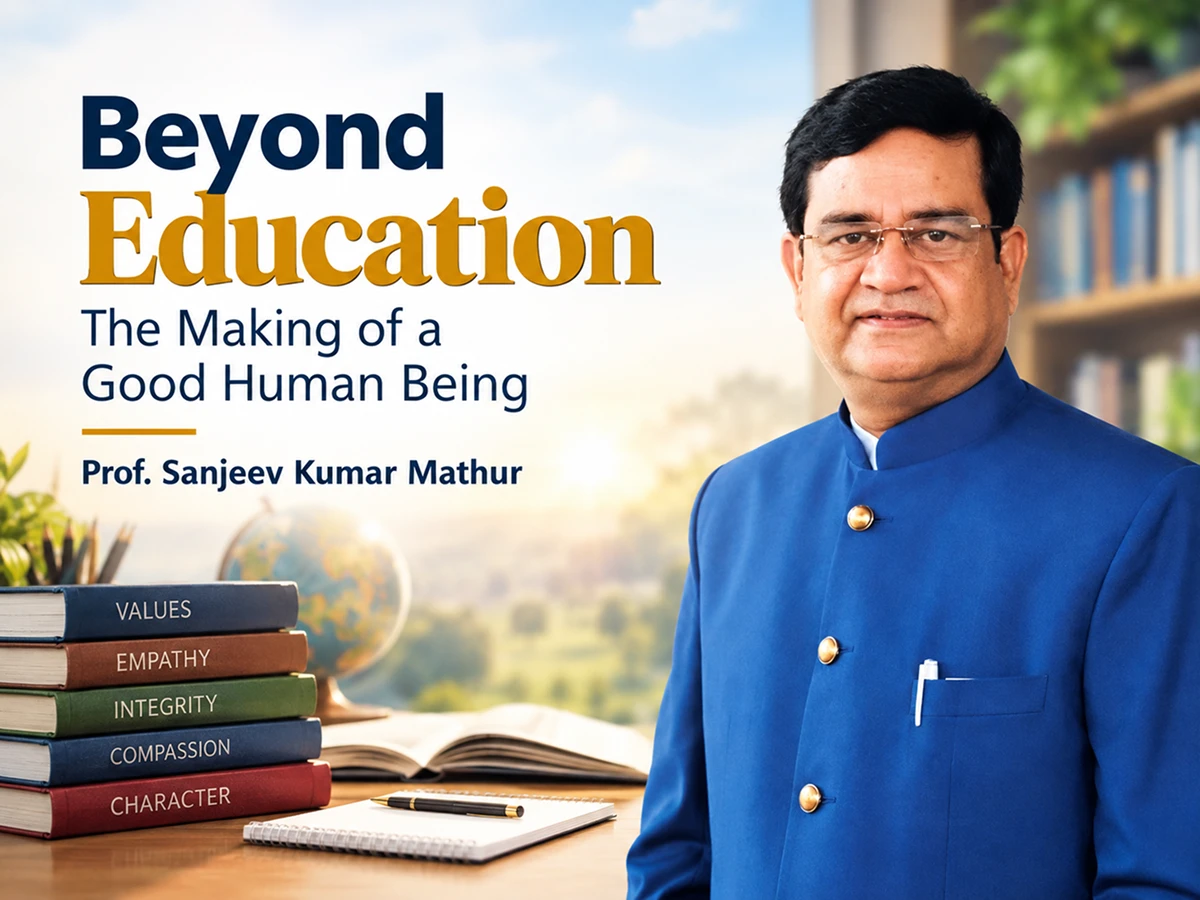
Prof. Sanjeev Kumar Mathur
- Prof. (Dr.) Sanjeev Kumar Mathur is an accomplished management professional with over 40 years of experience spanning higher education and the pharmaceutical industry.
- He currently serves as Dean, International School of Business Management at Suresh Gyan Vihar University, Jaipur.
- He holds B.Sc., M.Sc., MBA, and Ph.D. qualifications from premier institutions.
- He has held several senior academic and administrative positions, including Dean, Registrar, HOD, and Examination Controller.
- He has the distinction of preparing NAAC dossier singlehandedly and helping the HEI secure A++ grade in its first attempt.
- Being a strategic thinker, he has played a pivotal role in strategizing company/ new products launches successfully and training professionals, contributing to business achievements exceeding `30 crore in annual turnover.
- A prolific researcher, he has published 26 research papers, 19 patents, and two book chapters with reputed publishers. He has received six prestigious awards for excellence in management, education, research, leadership, and academic contributions.
- His book titled, “Values That Power Success” is ready for publication.
Since times immemorial, there is a human tendency to subordinate conscience to desire, ego, power or self-interest.
It is history that bears testimony to the fact that education produces highly capable individuals with enormous competence sans good human beings.
Let us build an understanding of this. A technically brilliant professional who lacks empathy, integrity, humility, compassion or a sense of responsibility can sometimes cause more harm than an ordinary person. Education therefore cannot be confined to producing employable or economically productive citizens; it must also cultivate moral agency, emotional maturity, compassion and the courage to do what is right when doing so is personally inconvenient.
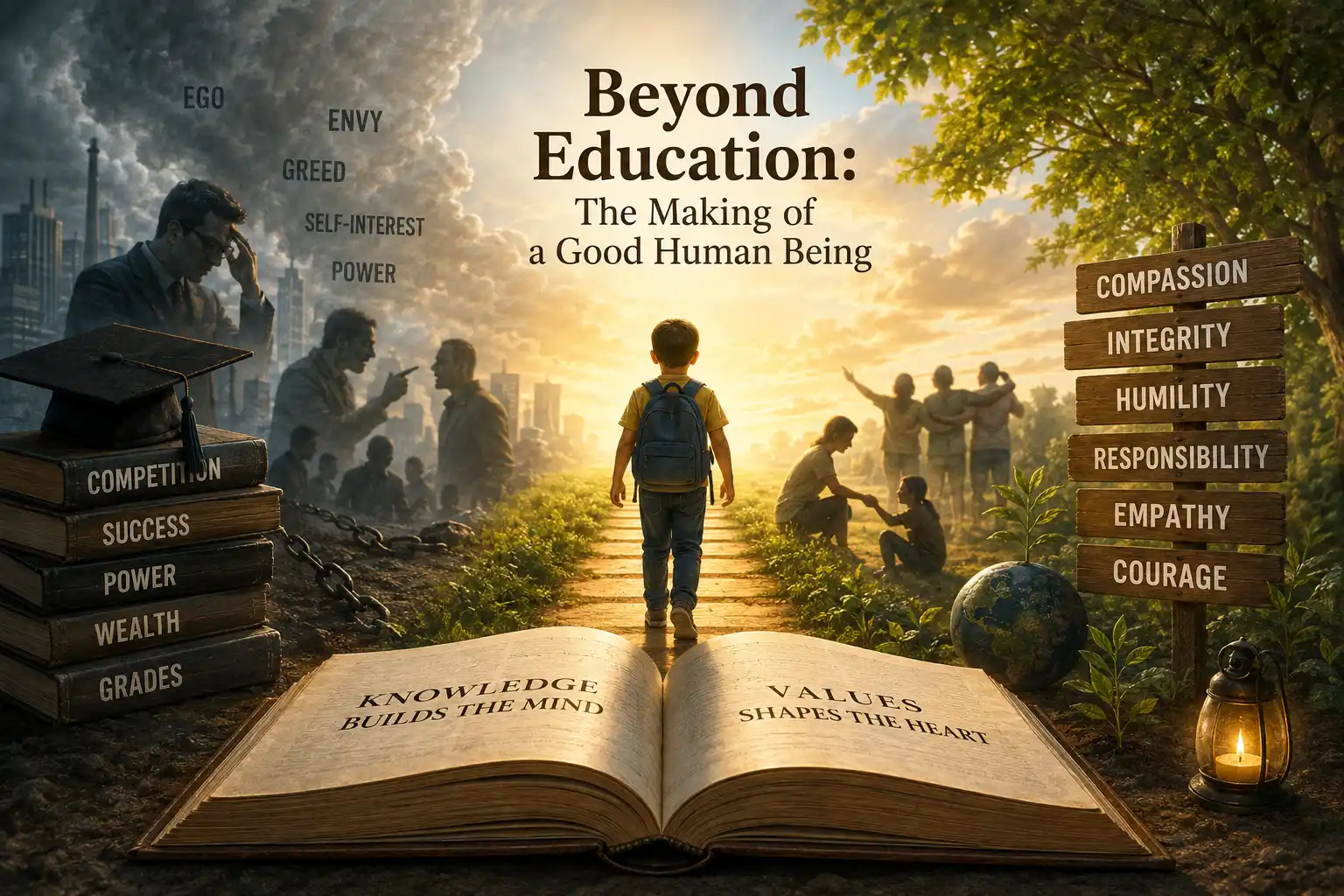
Do not misconstrue that education alone can eliminate human darkness. Envy, greed, ego and the pursuit of power are deeply rooted aspects of human nature. The realistic goal is not to create a society devoid of these motive powers, but to create individuals and institutions capable of recognising, regulating and transcending them.
There is a famous “Duryodhana dilemma” in the annals of the Mahabharata. At the time of going to war, it wasn’t that Duryodhana was a naïve person who could not differentiate between righteous and unethical behaviour. He was fully aware that he was not following the path of dharma, yet he could not resist the temptation to secure succession to the throne of Hastinapur by hook or by crook. This was despite the dichotomy between good and evil weighing heavily on his mind.
From those pristine times to the present day, the human response to right and wrong, good and evil, etc., has hardly changed. The reason is that envy, the thirst for power, ego and the pursuit of transient happiness continue to exist and drift people away from the righteous path. No one wants to pursue a long and arduous path that requires patience and perseverance to attain an enduring sense of fulfilment and the profound satisfaction of having truly “arrived.”
The present education system is largely pursuing the goal of creating professionals par excellence without sufficiently immersing young souls in an ocean of compassion, diligence, dedication, empathy and humility. It should enable them to illuminate their inner world and develop the moral clarity to follow the righteous path.
Thus, after thousands of years of human civilisation and evolution, we have still not been able to drive darkness out of the human mind and replace cruelty, ego, envy and selfishness with kindness, humility, contentment and altruism, respectively, to create an ideal world where peaceful and happy coexistence is a reality.
Isn’t it high time we dropped the façade of being pretentious custodians of society through “so-called” meaningful education, merely aimed at creating vital cogs in the machinery of society for its embellishment?
We need to work relentlessly at the grassroots level and maintain a close vigil in the later years, before introducing young people to the economic world, ensuring that they enter it with strong values and well-developed character.
Perhaps we do not need merely to refine policies. What we need is a genuine, concerted effort by the entire nation, with values, commitment, integrity and character serving as the four pillars of the Indian education system.