













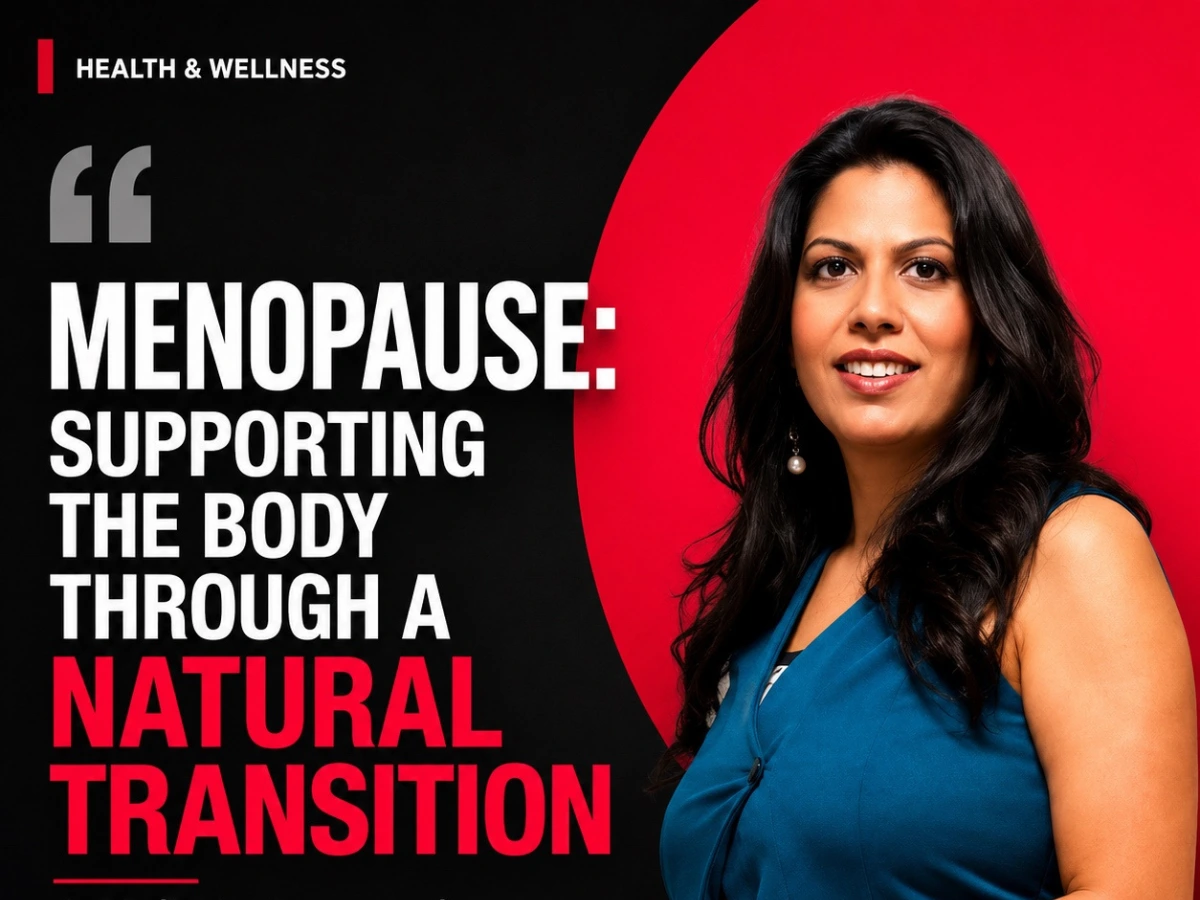














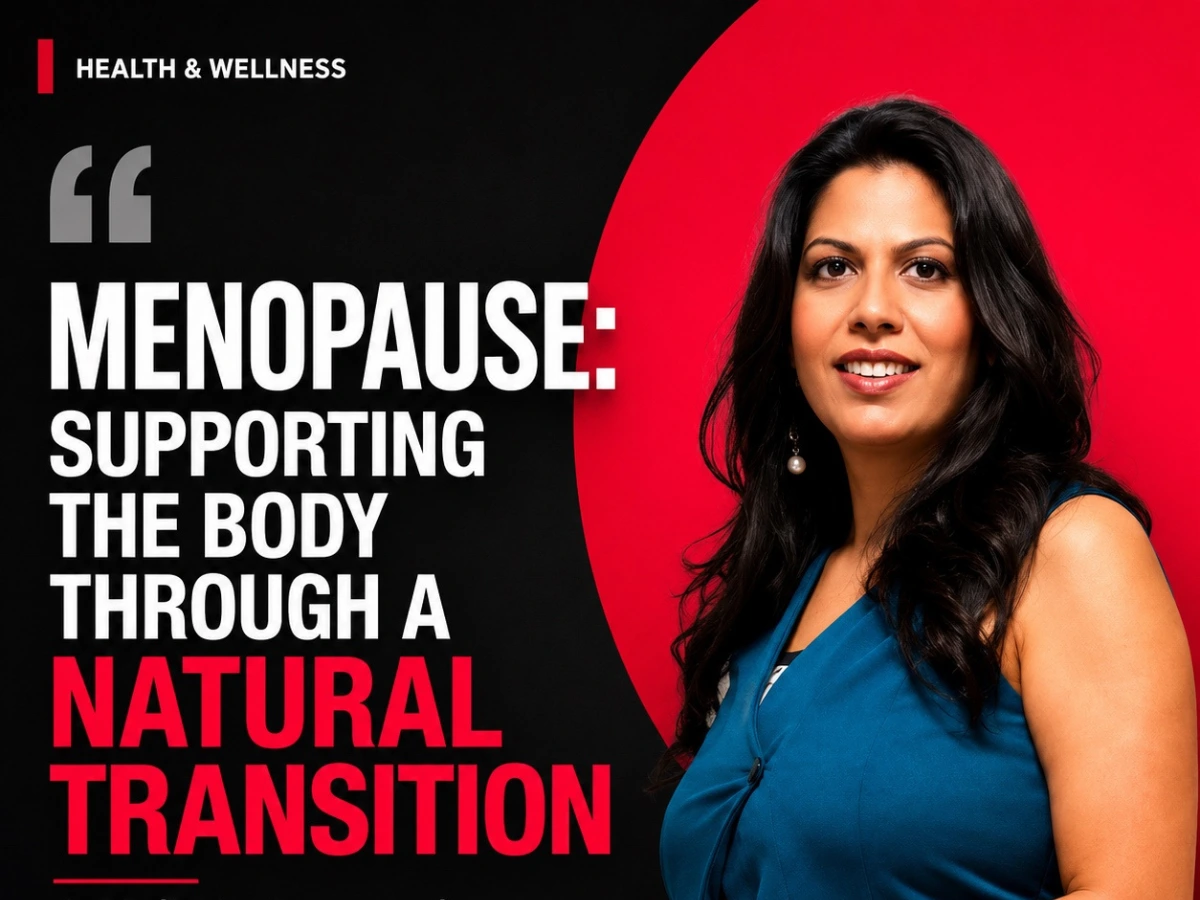
Menopause: Supporting the Body Through a Natural Transition
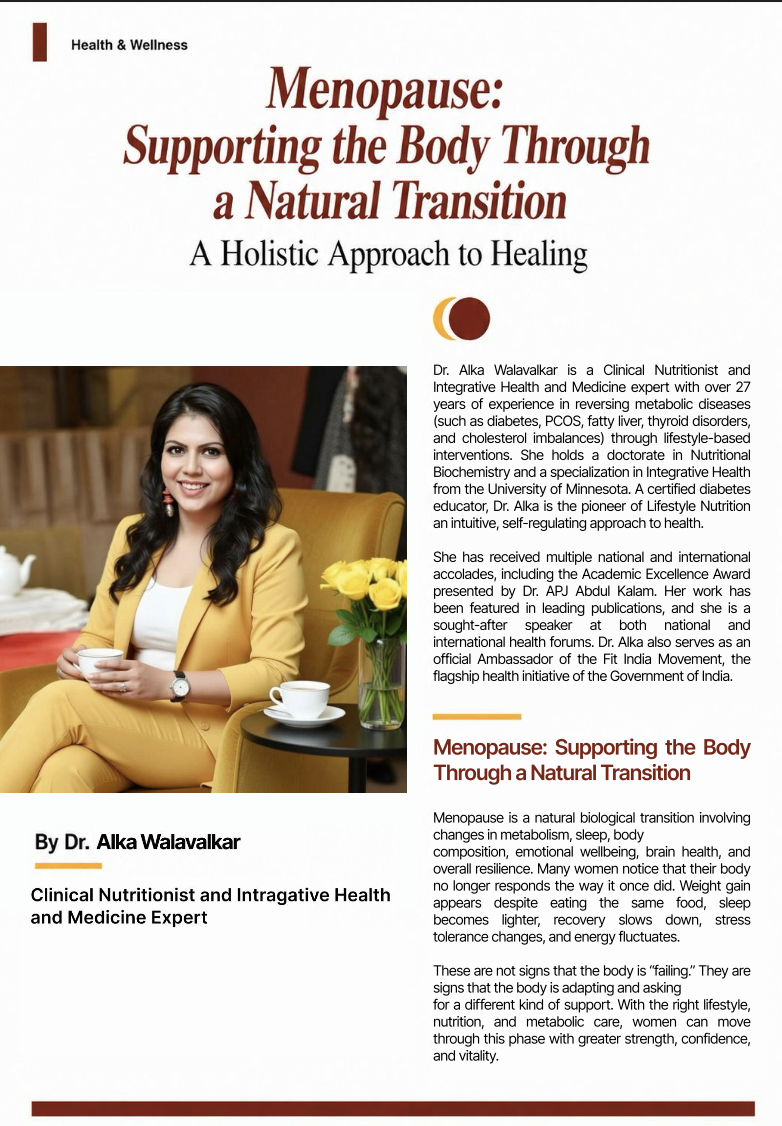
Dr. Alka Walavalkar is a Clinical Nutritionist and Integrative Health and Medicine expert with over 27 years of experience in reversing metabolic diseases (such as diabetes, PCOS, fatty liver, thyroid disorders, and cholesterol imbalances) through lifestyle-based interventions. She holds a doctorate in Nutritional Biochemistry and a specialization in Integrative Health from the University of Minnesota. A certified diabetes educator, Dr. Alka is the pioneer of Lifestyle Nutrition—an intuitive, self-regulating approach to health.
She has received multiple national and international accolades, including the Academic Excellence Award presented by Dr. APJ Abdul Kalam. Her work has been featured in leading publications, and she is a sought-after speaker at both national and international health forums. Dr. Alka also serves as an official Ambassador of the Fit India Movement, the flagship health initiative of the Government of India.
Menopause is a natural biological transition involving changes in metabolism, sleep, body
composition, emotional wellbeing, brain health, and overall resilience.
Many women notice that their body no longer responds the way it once did. Weight gain appears
despite eating the same food, sleep becomes lighter, recovery slows down, stress tolerance
changes, and energy fluctuates.
These are not signs that the body is “failing.” They are signs that the body is adapting and asking
for a different kind of support.
With the right lifestyle, nutrition, and metabolic care, women can move through this phase with
greater strength, confidence, and vitality.
Understanding the Phases
Perimenopause
Perimenopause usually begins in the late 30s or 40s, often years before periods stop completely.
Hormonal fluctuations during this phase may lead to:
* irregular cycles
* disturbed sleep
* anxiety or irritability
* fatigue
* headaches
* brain fog
* weight changes
At the same time, the body also undergoes metabolic recalibration. Insulin sensitivity may begin
changing, muscle mass gradually reduces, and stress recovery becomes slower.
Low-grade inflammation may also increase during this transition, especially when combined with
poor sleep, chronic stress, sedentary lifestyles, and highly processed diets.
This is why many women begin noticing:
* increased abdominal fat
* cravings
* low energy
* rising cholesterol or blood sugar levels
The body now needs different nutritional and lifestyle support than it did earlier in life.
Menopause and Post-Menopause
Menopause is diagnosed after 12 consecutive months without menstruation.
This transition affects far more than reproductive health. Changes may occur in:
* metabolism
* sleep
* bone health
* muscle strength
* emotional wellbeing
* cardiovascular health
Menopause also influences brain health and emotional resilience. Hormonal fluctuations, poor
sleep, chronic stress, and metabolic changes may affect focus, mood, motivation, and cognitive
clarity. Many women notice stubborn weight gain, reduced stamina, poor sleep, joint stiffness, and
emotional fluctuations. However, menopause should not be viewed as decline. It is a new physiological phase where the
body becomes increasingly dependent on:
* quality nutrition
* movement
* muscle health
* stress regulation
* circadian rhythm balance
* restorative sleep
Circadian rhythm health — including sleep timing, sunlight exposure, and meal timing — plays an
increasingly important role during menopause.
Women who support these foundations often experience this transition with greater resilience,
energy, and confidence.
Post-menopause can become a powerful phase of healthy ageing, strength, and renewed health
Awareness.
Why Metabolic Health Matters
One of the most overlooked aspects of menopause is metabolism.
As hormones change, the body’s energy regulation also changes. Women may gain weight more
easily, lose muscle faster, and experience greater blood sugar fluctuations.
Muscle becomes especially important during this phase because it supports:
* metabolism
* blood sugar balance
* strength
* healthy ageing
Unfortunately, many women respond with extreme dieting or excessive restriction, which may
worsen fatigue and reduce muscle further.
The goal during menopause should not be under-eating.
The goal should be metabolic nourishment and resilience.
Nutrition During Menopause
Protein Becomes Increasingly Important
Adequate protein supports:
* muscle preservation
* satiety
* bone health
* metabolic balance
Good protein sources include:
* lentils
* curd
* paneer
* dairy
* soy in suitable individuals
Including protein at each meal is often beneficial.
Blood Sugar Balance Supports Wellbeing
Large blood sugar fluctuations can influence:
* fatigue
* cravings
* mood
* sleep
* abdominal fat accumulation
Simple practices help significantly:
* balanced meals with protein and fibre
* reducing ultra-processed foods
* regular movement
* walking after meals
* strength training
The focus should be on stable energy, not restrictive dieting.
Intermittent Fasting During Menopause
Many women today follow intermittent fasting for weight management and metabolic health.
While fasting may support some individuals, menopause is also a phase where the body becomes
more sensitive to stress, undernourishment, poor recovery, and muscle loss.
Overly aggressive fasting may not suit every woman, especially when combined with:
* poor sleep
* chronic stress
* excessive exercise
* inadequate protein intake
Gentler approaches such as maintaining a healthy overnight fasting window, finishing dinner
earlier, and avoiding late-night eating may be more sustainable and supportive.
Like most aspects of menopause care, fasting should be personalised rather than followed as a
universal trend.
Sleep, Stress, and Strength Training
Modern lifestyles often intensify menopausal symptoms.
Poor sleep can affect:
* blood sugar balance
* hunger hormones
* emotional wellbeing
* inflammation
* fatigue
Stress also plays a major role. Chronic stress may influence sleep quality, cravings, abdominal fat
accumulation, and hormonal balance.
Practices such as:
* mindfulness
* yoga
* breathwork
* sunlight exposure
* regular movement
can become powerful supports during this phase.
Strength training is equally important. Walking is excellent, but women also need muscle-
strengthening activity to support:
* bone density
* metabolism
* insulin sensitivity
* posture
* healthy ageing
Muscle plays a central role in metabolic resilience and vitality.
Understanding Hormone Replacement Therapy (HRT)
Hormone Replacement Therapy (HRT) has become an important area in menopause care.
For some women, HRT may significantly improve:
* hot flashes
* sleep
* mood
* quality of life
* bone health
However, menopause care should never become a one-size-fits-all approach.
The decision to use HRT should consider:
* individual symptoms
* medical history
* metabolic health
* cardiovascular profile
* family history
HRT is neither “good” nor “bad” in absolute terms. It is one therapeutic option within a broader
integrative framework.
Nutrition, muscle health, sleep, stress regulation, and lifestyle medicine remain foundational
whether a woman chooses HRT or not.
The Importance of Personalised Health
No two women experience menopause in exactly the same way.
Genetics, lifestyle, stress, sleep, nutrition, and metabolic health all influence how women
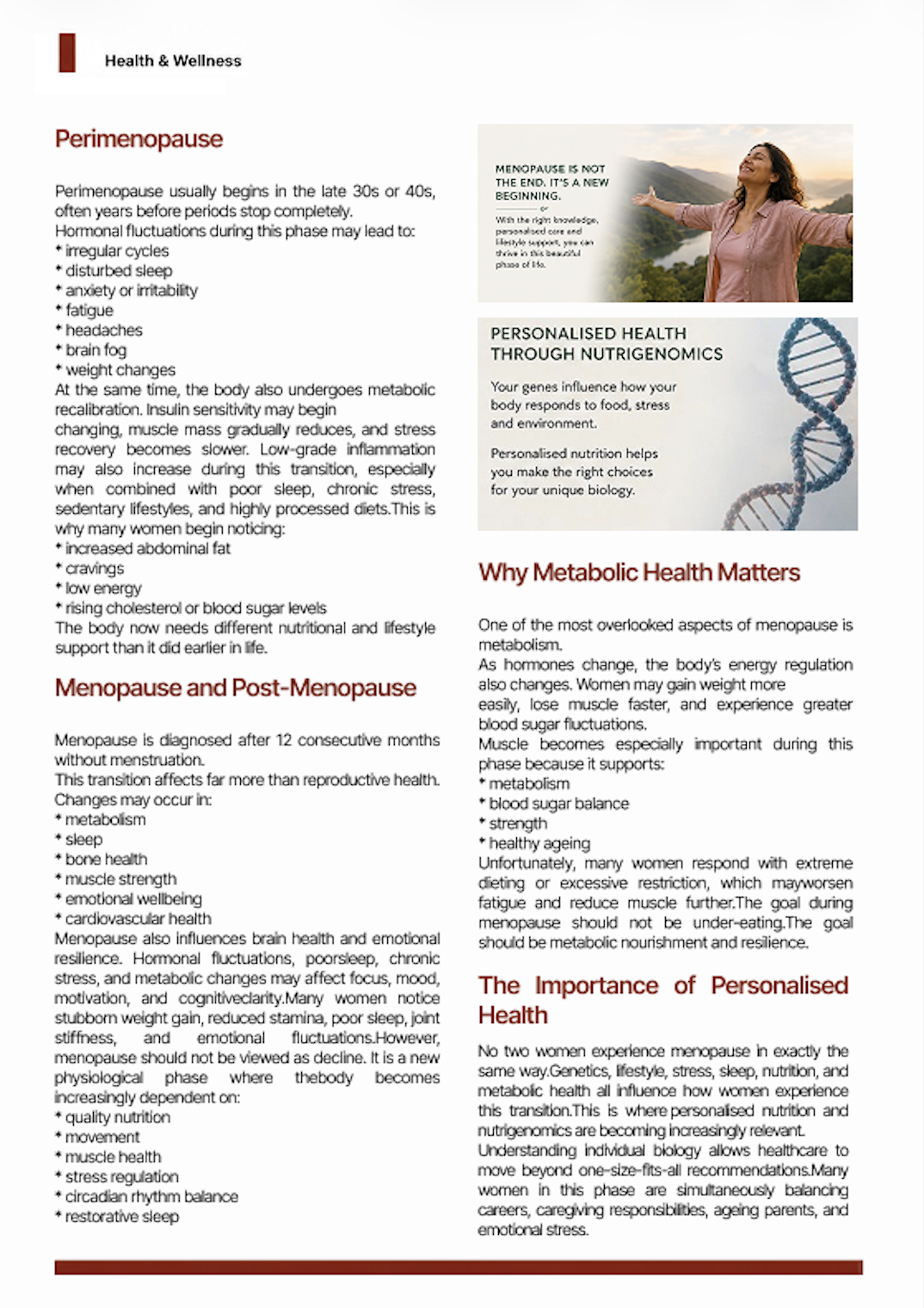
experience this transition.This is where personalised nutrition and nutrigenomics are becoming increasingly relevant.
Understanding individual biology allows healthcare to move beyond one-size-fits-all
recommendations.
Many women in this phase are simultaneously balancing careers, caregiving responsibilities,
ageing parents, and emotional stress. Menopause care therefore requires not only medical
guidance, but also empathy and support.
Final Thoughts
Menopause is not simply about hormones or ageing. It is a multidimensional transition involving
metabolism, brain health, emotional wellbeing, and long-term resilience.
When women understand these biological changes and support the body accordingly,
menopause can become not a period of decline, but an opportunity to build strength, awareness,
vitality, and healthy longevity.